

If you are looking at utl solar panel options, you want clear practical advice not confusing marketing. This guide explains how these panels work, the technology choices, the real costs, the paperwork you must collect and how to protect your investment.
Read on for a plain language step by step approach that helps you decide with confidence and avoid common mistakes.
What is utl solar panel and who buys them
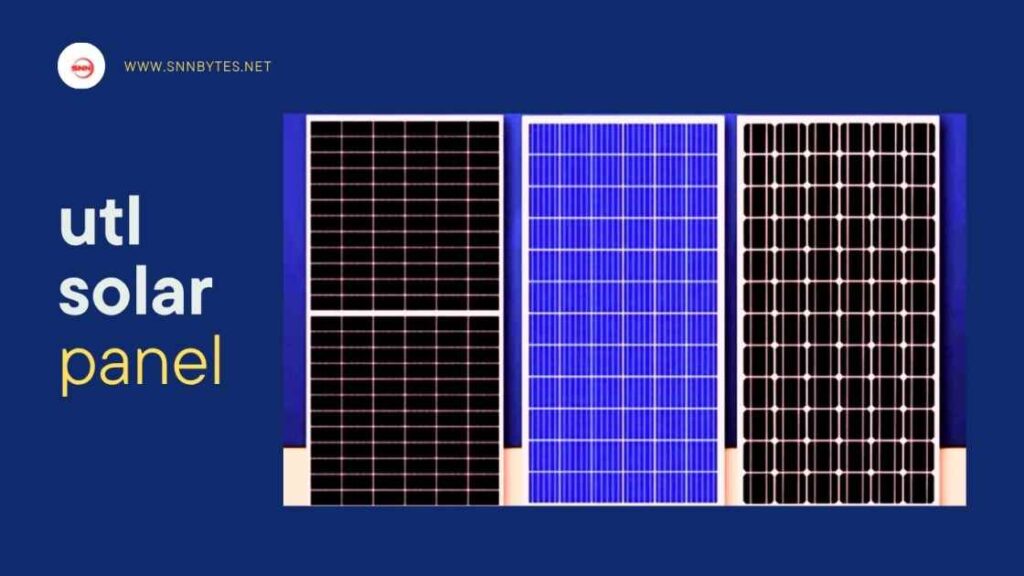
UTL offers solar modules and related equipment for homes businesses and larger projects. Buyers choose these panels because the brand presents a wide product range that covers entry level modules higher efficiency modules and models meant for rugged conditions. People who commonly buy utl solar panel systems include homeowners looking for an all in one supplier installers who want a range of SKUs to match diverse roofs and project buyers who need models that meet local procurement requirements.
Why brand and dealer network matter more than you might think
- A panel brand only matters if local support exists. Good local service speeds up repairs and warranty claims.
- For long lived assets like solar systems availability of spare parts and a clear warranty process are crucial.
- UTL positions itself as a full system supplier so buyers can often get panels inverters and batteries from a single vendor which simplifies warranty coordination and logistics.
Key panel technologies explained in plain language
Understanding cell technology helps you choose the right panel for your roof and budget. Here are the common types you will encounter when choosing a utl solar panel.
Mono PERC panels
Mono PERC cells are an improved version of mainstream silicon cells. They convert sunlight more efficiently than older poly crystalline designs. For most residential roofs where space is limited mono PERC balances cost and performance well.
TOPCon panels
TOPCon is a higher efficiency cell technology. If your roof area is small or you want to maximize energy per square meter then TOPCon can be the right choice. It tends to cost more up front but delivers more energy from the same area and often shows slower long term degradation.
Bifacial and dual glass panels
Bifacial modules collect light on both the front and the rear sides. They work best when installed above a reflective surface or ground with high reflectance. Dual glass builds mechanical robustness and reduces some failure modes caused by frame stress. These panels are useful for ground mounted systems carports and some rooftop types.
Temperature coefficient and hot climates
Panels lose some efficiency as temperature rises. A lower temperature coefficient means the panel retains more power on hot days. If you live in a hot climate pay attention to this number on the datasheet when choosing a utl solar panel.
How to read a datasheet and warranty so you do not get surprised
Two documents matter the most when buying a panel datasheet and warranty. Insist on both up front.
Must read datasheet elements
- Rated power in watts
- Module efficiency percentage
- Power tolerance range
- Temperature coefficient of power
- Mechanical load ratings for wind and snow
- Cell type and cell count
- Open circuit voltage and short circuit current values
Warranty elements to check carefully
- Product warranty for manufacturing defects
- Performance warranty with a clear degradation schedule
- Warranty start date and whether registration is required
- Whether the warranty is regional or global and who will handle claims locally
What to do at purchase
- Get a copy of the exact warranty certificate that applies to the serial numbers you will receive.
- Keep the invoice and the installer report safe. You may need them to activate the warranty.
- Ask the seller to show where the serial numbers will be recorded in the paperwork.
Real world performance factors that affect energy yield
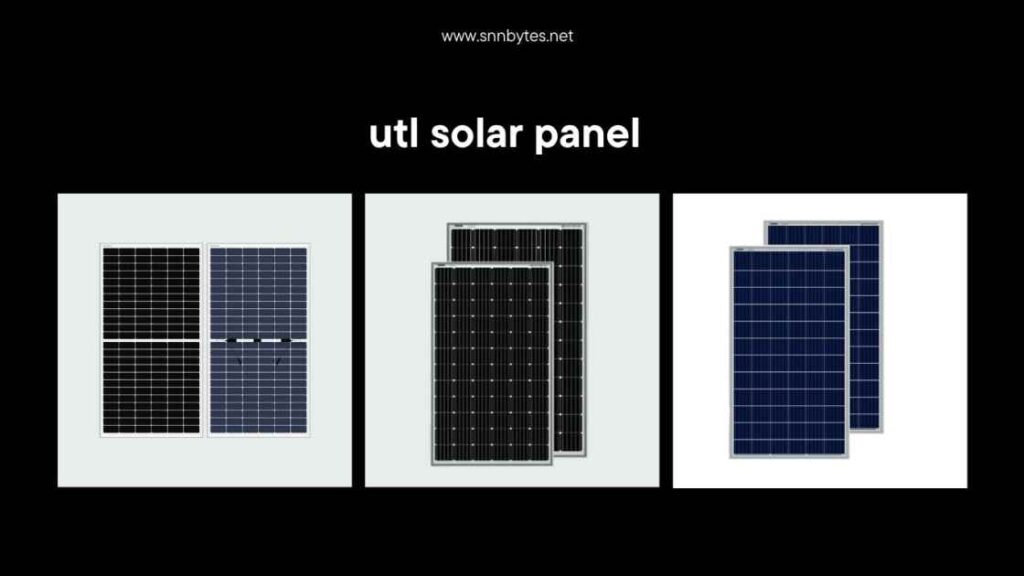
Nominal panel power in lab conditions is not the same as the energy you get on your rooftop. Here are the main factors that influence real yield.
Sunlight at your location
The number of usable sun hours per day is the biggest driver of annual energy. Regions vary widely in solar resources and this changes payback and expected savings.
Roof orientation and tilt
Roof facing direction and tilt angle significantly affect production. South facing orientations commonly yield the most energy in many areas but local latitude and shading patterns matter.
Shading
Shade from trees, chimneys or nearby buildings can reduce output dramatically. Even a small shaded area on one panel in a string can reduce the entire string production if the system lacks effective bypass solutions. Micro inverters or optimizers reduce this risk but cost more.
Soiling and maintenance
Dust bird droppings and pollen reduce output over time. Easy access for cleaning and a regular maintenance routine keeps production close to rated levels.
Installation quality and balance of system
Good racking, correct wiring, proper earthing and correct inverter matching are essential. Poor electrical connections, incorrect stringing and substandard mounting reduce output and can void warranties.
How to size a system for your home with a practical example
Sizing a system means matching expected production to your electricity use and budget. Here is a step by step method you can use right away.
Step one Gather data
- Find your average monthly electricity use in kilowatt hours
- Decide how much of your usage you want to offset with solar for example 70 to 100 percent
- Measure or estimate available roof area in square meters with the usable north south east and west facing portions
Step two Estimate production per kilowatt
A conservative production estimate is the number of usable sun hours per day multiplied by system efficiency factors. Typical practical yields range widely with location but many sites can expect several kilowatt hours per day per kilowatt installed.
Step three Calculate system size
Target annual energy need divided by expected annual production per kilowatt gives the installed capacity required. Round up to the nearest panel configuration that fits your roof.
Example calculation concept
If your average monthly use is X kilowatt hours and your chosen offset is Y percent calculate the required annual production then divide by expected annual kilowatt hours per kilowatt for your location to get required installed kilowatts. Ask your installer for a site specific production estimate that includes shading and tilt.
Panel count and layout
Once you know required kilowatts pick panels of a specific wattage to reach that capacity while fitting the roof. For example if you need Z kilowatts and panels are A watts each then number of panels equals required kilowatts times one thousand divided by A rounded up.
Installation checklist to protect warranty and maximize yield
A careful installation protects your warranty and improves long term returns. Use this checklist when reviewing quotes.
Before installation
- Confirm roof structural suitability and repair if needed
- Do a detailed shading analysis at different times of day and different seasons
- Verify exact model numbers serial numbers and warranty certificate references in writing
- Agree the inverter location cable runs and access for monitoring
During installation
- Use corrosion resistant racking and correct fasteners for the environment
- Torque clamps to manufacturer specifications and avoid over tightening frames
- Match string voltages to the inverter MPPT input range and use correct wire gauges
- Install surge protection devices DC isolators and clear labeling on isolators and distribution boards
Commissioning and handover
- Record a baseline production reading and take time stamped photos of the installed array and wiring
- Request a system schematic a warranty folder and login credentials for monitoring portals
- Ensure the installer provides a commissioning report that lists serial numbers and test readings
Cost components payback and value metrics you should use
Understanding the cost components helps you compare quotes fairly and evaluate payback.
What you pay for when buying a system
- Solar modules cost per watt that varies by technology and quality
- Inverter cost which depends on type and capacity
- Mounting hardware and rails especially for tilted roofs or tricky layouts
- Batteries if you choose a hybrid or backup solution
- Labor permits inspections and electrical work
- Any taxes or local charges
Payback basics
Annual savings equals annual energy production multiplied by the grid electricity rate. Payback equals installed cost divided by annual savings. Include maintenance and inverter replacement costs in longer term calculations for realistic life cycle economics.
Value metrics to compare installations
- Cost per installed watt is useful but incomplete
- Expected annual kilowatt hours per kilowatt installed gives energy efficiency for the site
- Levelized cost of energy is a comprehensive metric that spreads all costs over expected lifetime generation and is useful for comparing alternatives
Maintenance troubleshooting and long term care
Routine care prevents problems and sustains production. Here is a simple maintenance plan.
Routine maintenance schedule
- Visual inspection every six months for bird nests loose wiring or physical damage
- Clean panels as needed with water and a soft brush avoid harsh chemicals and high pressure washing
- Check inverter display or monitoring portal for unusual error messages or sudden drops in production
Troubleshooting common problems
- Sudden and dramatic production drop Track inverter alarms check DC isolators and verify string voltages
- Gradual decline over years Evaluate for soiling module degradation or micro cracking and request diagnostic tests
- Localized underperformance Inspect for partial shading panel mismatch or junction box issues
When to call for professional service
- Ground fault indications repeated inverter faults or smoke or burning smells require immediate professional attention
- Warranty covered failures ask the installer to open a warranty claim and provide required documentation such as serial numbers and installation report
How to compare quotes like a pro
A low price per watt is rarely the full story. Follow these steps to compare multiple quotes fairly.
Step one Match key components
- Ensure each quote lists exact module model inverter model and mounting system
- Confirm warranty periods product and performance and who handles claims locally
Step two Ask for production estimates
- Request an estimated annual production report that includes shading and tilt assumptions
- Compare expected annual generation not just system capacity
Step three Evaluate installer credibility
- Look for experience documented installations local service network and clear communication
- Ask for references and visit a recent installation if possible
Step four Negotiate workmanship guarantee
- Get a written performance or workmanship guarantee from the installer that covers installation defects for a minimum period
Pros and cons summary in one place
Pros of choosing a utl solar panel system
- Broad product range supports different budgets and roof types
- Availability of higher efficiency module options if you need more power from limited roof area
- Opportunity to buy panels and inverters from the same vendor which may simplify coordination
Cons and caveats
- Warranty service quality is tied to local dealer performance so research local support
- Advanced technologies cost more and require careful value analysis of lifetime energy yield
- Manufacturer marketing claims must be verified against the datasheet and warranty documentation
Practical buying checklist you can use today
- Measure or estimate usable roof area and take photos.
- Gather your last twelve months of electricity bills to compute average monthly use.
- Request three written quotes that include module model numbers inverter model numbers and a site specific production estimate.
- Insist the seller provides the warranty certificate and asks you to register the serial numbers after installation.
- Confirm the commissioning tests and ask for a handover folder that includes a system schematic and monitoring credentials.
- Arrange a workmanship guarantee from the installer in writing.
- Keep time stamped photos of the installation as proof for future warranty claims.
Common myths and straightforward answers
Myth All solar panels are the same
Reality Cell type efficiency temperature performance and warranty terms vary and affect lifetime energy yield and cost effectiveness.
Myth Cheap is fine because all panels last only a few years
Reality Quality and installation matter. Savings on purchase can disappear in poor output and elevated maintenance or earlier replacements.
Myth Panels require constant cleaning to perform
Reality: Most panels need cleaning only a few times per year depending on local dust and pollution. Monitoring will show when cleaning yields a meaningful production boost.
Conclusion
Choosing the right utl solar panel requires balancing roof area budget desired energy offset and confidence in local support. Focus on the full system, not just the panel. Get datasheets, serial numbers and warranty certificates before you pay a deposit. Ask for a site specific production estimate and a clear installation plan. With careful evaluation you can secure a reliable system that reduces electricity bills and runs reliably for many years.
If you would like I can help prepare a one page checklist tailored to your roof size and local electricity rate or draft a short message you can send to installers to request datasheets and warranty proof. Tell me which one you prefer and include your roof orientation and average monthly usage for a more accurate checklist.
FAQ
How do I verify a utl solar panel warranty
A: Ask for a copy of the warranty certificate that lists serial numbers then register the product with the manufacturer as required and keep the invoice and installation report safe.
Which panel type gives the most energy per roof area
A: Higher efficiency technologies such as TOPCon generally deliver more watts per square meter and help when roof area is limited.
How often should I clean my panels
A: Clean panels as needed typically once or twice a year in dusty environments and after heavy storms when visible soiling is present.
Can I mix panel brands in one system
A: Mixing brands and different panel models in the same string is not recommended because electrical mismatch can reduce performance and complicate warranty claims.
What information should I demand before paying a deposit
A: Module datasheet exact model and serial numbers, a product warranty certificate and a written installation plan and schedule.
How long do panels last
A: Modern panels are designed to last multiple decades. Manufacturers commonly provide product and performance warranties and expected retained output after many years.
What is the biggest cause of underperformance
A: Shading and poor installation workmanship are among the most common causes of lower than expected production.
Should I add a battery
A: Adding battery storage increases resilience and provides backup power but it raises cost. Decide based on outage risk and whether time of use pricing makes storage financially compelling.