

If you ship products or shop online you need a clear, reliable view of how parcels move from seller to doorstep. ekart logistics is a major player in last mile delivery and fulfillment, and this guide breaks down exactly how their services work, what to expect at each stage, and how both sellers and buyers can avoid common problems.
You will get practical explanations of core services such as delivery options fulfillment warehousing and returns along with step by step tracking guidance. The introduction gives you the context and confidence to choose the right service level save on costs and reduce delivery exceptions. Real world tips and a simple checklist help you apply the ideas right away rather than leaving you with theory.
Whether you are a merchant preparing a first shipment or a buyer trying to resolve a delivery issue this article will save you time and frustration. Read on to learn how ekart logistics processes an order how to interpret tracking events and which operational choices make the biggest impact on delivery speed and customer satisfaction.
What is ekart logistics
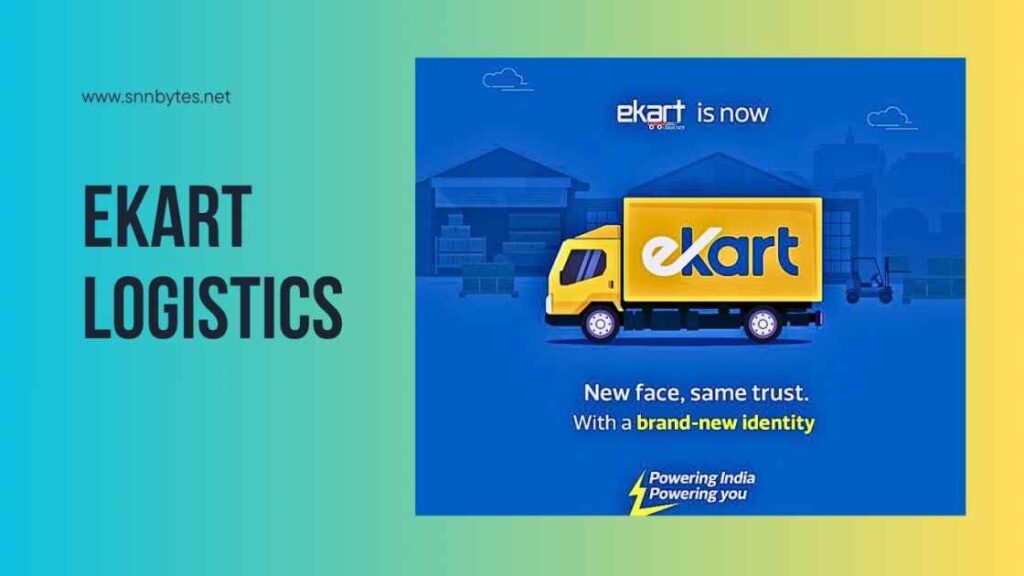
ekart logistics is a national logistics and fulfillment company that provides last mile delivery warehousing distribution and freight solutions. It operates a vast delivery network covering thousands of postal codes and offers both consumer parcel delivery and business oriented fulfillment services such as warehousing and transport management. The company focuses on integrating technology with operations to improve tracking visibility and scale.
How ekart evolved and what it offers today
ekart began as the logistics arm serving rapid online retail growth and then expanded into a standalone logistics provider that serves marketplace orders and third party businesses. Over time the company built technology enabled fulfillment hubs local delivery networks and fleet capabilities. Today it serves a wide range of clients from small sellers to large retailers and offers services that span last mile delivery to full fulfillment and reverse logistics.
Core services explained
ekart provides a set of services geared toward different shipper needs. Below are the key services and what they mean in practice.
Last mile delivery and express parcels
- Standard door delivery with status updates and proof of delivery.
- Selected routes and pin codes may offer same day or next day options.
These services are designed for high volume retail shipments and consumer orders.
Fulfillment and warehousing
- Distributed fulfillment hubs that shorten delivery time.
- Inventory management and pick pack operations integrated with merchant systems.
These let sellers place inventory closer to customers and reduce transit time.
B2B transport and bulk movement
- Dedicated routes for bulk shipments full truckload and partial truckload options.
- Real time tracking for larger cargo movements and supply chain support.
Reverse logistics and returns management
- Return pickup scheduling and centralized return centers for inspection and restocking.
- Processes to support refunds replacements or resale depending on merchant policy.
Technology and integrations
- Tracking APIs merchant portals and shipment dashboards to monitor shipments in one place.
- Scan based tracking and automated dispatching to improve accuracy and reduce exceptions.
How ekart handles an order end to end

Understanding the flow helps you spot where delays or errors usually happen and where you can take action.
- Pickup or origin registration
- Pickup from seller warehouse or an origin consolidation point with a manifest created.
- Pickup from seller warehouse or an origin consolidation point with a manifest created.
- Hub consolidation and sorting
- Packages are scanned into regional hubs and sorted by geography or delivery schedule.
- Packages are scanned into regional hubs and sorted by geography or delivery schedule.
- Intercity transit
- Shipments move by dedicated vehicles or freight partners to the destination hub.
- Shipments move by dedicated vehicles or freight partners to the destination hub.
- Last mile routing and delivery attempt
- Local delivery teams plan routes and attempt delivery often within the assigned window.
- Local delivery teams plan routes and attempt delivery often within the assigned window.
- Delivery confirmation or return pickup
- Proof of delivery is captured digitally. Returns begin with a reverse pickup scheduling step.
- Proof of delivery is captured digitally. Returns begin with a reverse pickup scheduling step.
Each stage produces a tracking event you can monitor to estimate final delivery timing.
Tracking tips and common delivery statuses
Knowing what tracking events mean helps reduce uncertainty and speeds resolution.
- Shipment picked up: Package registered at origin. No action required.
- In transit to hub: Movement between cities or regions. Expect a time window.
- Out for delivery: Local delivery attempt will happen that day. Keep phone available.
- Delivery attempted: Driver could not complete delivery often due to recipient absence or access issues. Contact seller or carrier support promptly.
- Delivered: Proof of delivery recorded. Inspect parcel immediately and report issues within the allowed time.
- Return initiated: Collection scheduled and return processing starts.
Pro tip Keep the tracking ID handy and note the last known event before contacting support to speed up resolution.
Best practices for sellers using ekart
Sellers who adopt a few operational habits see fewer delays disputes and return headaches.
Packaging and labeling
- Use sturdy packaging and internal padding for fragile items.
- Clearly print the full delivery address and a reachable phone number.
- Place a printed invoice inside the package to simplify returns.
Accurate parcel dimensions and weight
- Provide honest weights and dimensions in the shipping manifest to avoid reclassification fees or delays.
Choose the correct service level
- For time sensitive items select faster delivery options or use fulfillment hubs near demand centers.
Returns policy alignment
- Align your returns window with the courier’s pickup timelines so customers know what to expect.
Integrate for visibility
- Use merchant tools or tracking APIs to present live tracking on your order pages and trigger customer notifications. This reduces support tickets and builds buyer confidence.
Tips for customers receiving ekart deliveries
Follow these steps to minimize issues and speed resolution when you expect a delivery.
- Provide a reachable phone number and clear access instructions.
- If an address has restricted entry hours share that information at checkout.
- Inspect the parcel on handover and document visible damage. Photograph the packaging and goods if damaged.
- If delivery is missed keep the tracking ID and choose redelivery or an alternate pickup point if available.
- For returns follow the merchant instructions and record the return pickup ID to avoid disputes.
Pricing and service options for businesses
Pricing depends on volume service level and extras like insurance cash on delivery or scheduled deliveries. Typical cost drivers include weight dimensional weight distance and special handling. For merchants it is often best to negotiate volume slabs and include fulfillment and reverse logistics in the service level agreement to reduce surprises during peak periods.
For business customers common offerings include:
- Volume based pricing tiers
- Custom SLAs for guaranteed delivery windows
- Warehousing and fulfillment bundles to reduce per parcel transit time
Sustainability and network investments
Logistics is a major emitter of greenhouse gases and many operators invest in greener fleets and efficiency measures. ekart has committed to initiatives such as electrification of last mile vehicles and using cleaner fuels for long haul corridors. These efforts aim to reduce emissions and cost volatility related to fuel prices.
Why it matters for merchants Greener delivery can align with customer preferences and be a differentiator for brands that emphasize environmental responsibility.
Partnerships and network expansion
To expand reach and capabilities the company partners with commerce networks retailers and supply chain providers. These partnerships allow flexible route options and broader fulfillment choices for merchants and help scale to meet seasonal peaks and demand changes.
Strengths and weaknesses practical analysis
No carrier is perfect. Here is a practical list to help you decide when and how to use the service.
Pros
- Extensive network reaching many postal codes which supports nationwide coverage.
- Integrated fulfillment services let merchants place inventory strategically.
- Technology enabled tracking and merchant tools improve visibility.
- Scalable capacity that can handle high order volumes during peak times.
Cons
- Customer experience can vary by region because last mile performance depends on local operations.
- Operational complexity for sellers who do not use fulfillment hubs; handling pickups returns and exceptions requires coordination.
- Pricing and SLA terms are more favorable to larger volume clients which can be a challenge for small sellers.
Operational and performance signals to watch
If you plan a deep partnership watch operational metrics such as delivery times exception rates return handling speed and investments in infrastructure and automation. These indicators help anticipate service quality and pricing adjustments over time.
How to decide if ekart is right for your business
Ask yourself these questions to assess fit:
- Are most of your customers located in the carrier’s strong coverage areas?
- Do you expect rapid scaling or seasonal spikes in orders?
- Do you require fulfillment and distributed inventory or just point to point courier service?
- Do you need strict SLA guarantees and can you commit to a volume slab?
If your answers point to broad coverage and scaling needs then this provider’s combination of fulfillment and last mile services may be a strong fit. If you are a low volume seller with highly specialized handling needs consider niche carriers that specialize in those services.
Actionable checklist for first time shippers
- Register with the merchant portal and test API integration in a sandbox.
- Ship a small batch to neighboring states and monitor transit times.
- Audit packaging and adjust to reduce damage rates.
- Configure automated buyer notifications using tracking IDs.
- Agree SLAs with your account manager and define remedies for repeated SLA breaches.
- Monitor returns and reconcile reverse pickup records weekly.
- Run a customer feedback loop focused on delivery issues and share findings with operations for continuous improvement.
Real world tips to reduce delivery exceptions
- Ask buyers to confirm pin code and provide a local phone number at checkout.
- For apartment complexes include block number floor and guard instructions.
- Offer alternative pickup points if available such as neighborhood lockers or stores.
- Avoid ambiguous addresses and add short access notes for drivers.
- During high volume sale periods add buffer days to expected delivery windows.
Conclusion
ekart logistics combines last mile reach and fulfillment capabilities that fit medium to large merchants looking to scale. When used correctly its distributed warehousing and tracking tools can reduce transit times and improve customer satisfaction. However performance varies by region so start with a controlled pilot integrate tracking into your customer experience and negotiate clear SLAs. Use the checklists and tips above to reduce exceptions speed up resolutions and make the logistics relationship work for your business.
If this guide helped share your shipping challenges in the comments and I can suggest tailored operational tips.
FAQ
What does ekart logistics specialize in
It focuses on last mile delivery fulfillment warehousing and B2B logistics solutions for e commerce and retail customers.
How can I track a shipment
Use the tracking ID provided by the seller and enter it in the carrier tracking tool to see pickup transit out for delivery and final delivery events.
Does the company handle returns
Yes it supports structured reverse logistics including return pickup scheduling inspection and restocking or refund workflows.
Is this service suitable for small sellers
It can be used by small sellers but pricing and SLA terms are most attractive for medium to large volumes. Small sellers should pilot services and compare total landed cost.
What should I do if a delivery is delayed
Note the last tracking event contact the seller or carrier support provide the tracking ID and request a redelivery window. Document any damage with photos.
Does the carrier use electric vehicles
The company has committed to fleet electrification and cleaner fuel strategies for last mile operations and longer haul movement.
Can the carrier handle bulky items
Yes there are options for full truckload partial truckload and specialized transport for oversized items often coupled with white glove services.
How do merchants integrate
Merchants can integrate through merchant portals APIs or by using the provider’s fulfillment services. Start with a test integration to validate tracking and manifest workflows.