
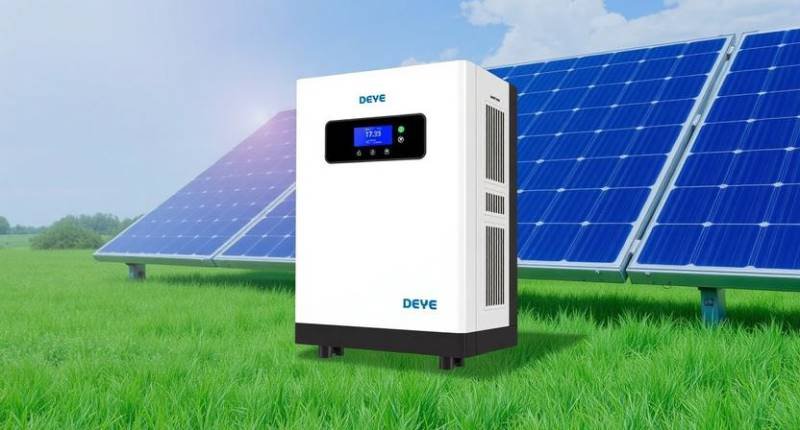
As electricity costs continue to rise across India and power reliability remains a concern in many regions, more homeowners and businesses are turning toward solar energy. But installing solar panels alone is not enough; the real intelligence of a solar power system lies in the inverter. This is where the Deye solar inverter has gained serious attention.
Known for its advanced technology, hybrid capabilities, and strong performance in real-world conditions, the Deye solar inverter has become a preferred choice for residential, commercial, and industrial users. This detailed guide explains what a Deye solar inverter is, how it works, its types, features, benefits, limitations, and why it is increasingly popular in the Indian solar market.
Whether you are planning your first solar installation or upgrading an existing system, this article will help you make an informed, confident decision.
What Is a Deye Solar Inverter?
A Deye solar inverter is a power conversion device that transforms direct current (DC) electricity generated by solar panels into alternating current (AC) electricity that can be used by household appliances, offices, factories, or fed into the grid.
Deye inverters are especially known for:
- Hybrid inverter technology
- Battery compatibility
- High efficiency and reliability
- Smart monitoring features
Unlike basic inverters, many Deye models can manage solar power, battery storage, grid electricity, and generator input at the same time, making them suitable for India’s mixed power conditions.
How a Deye Solar Inverter Works
Understanding how a Deye solar inverter functions helps you appreciate its value.
Step-by-Step Working Process
- Solar panels generate DC power from sunlight
- The Deye inverter converts DC to AC power
- Power is supplied to:
- Home or business loads
- Battery storage (if connected)
- Grid export (in grid-tied systems)
- When solar power is insufficient:
- A battery supplies power, or
- Grid electricity is used automatically
This intelligent switching ensures an uninterrupted power supply while maximizing solar usage.
Types of Deye Solar Inverters
Deye offers multiple inverter types to suit different needs. Choosing the right type depends on your location, budget, and energy goals.
1. On-Grid Deye Solar Inverter
Best for: Areas with a stable electricity supply
Key Characteristics:
- Works with the utility grid
- No battery required
- Exports excess solar power to the grid
- Lower upfront cost
Limitations:
- Does not work during power cuts
- Dependent on grid availability
2. Off-Grid Deye Solar Inverter
Best for: Remote areas and locations with frequent outages
Key Characteristics:
- Operates independently from the grid
- Requires battery storage
- Reliable power backup
Limitations:
- Higher cost due to batteries
- Limited capacity based on battery size
3. Hybrid Deye Solar Inverter
Best for: Most Indian homes and businesses
Key Characteristics:
- Works with grid and batteries
- Stores excess solar energy
- Provides backup during power cuts
- Intelligent energy management
Hybrid Deye solar inverters are one of the main reasons for the brand’s growing popularity in India.
Key Features of Deye Solar Inverter
High Conversion Efficiency
Deye solar inverters are designed to minimize energy loss during conversion. High efficiency means:
- More usable electricity
- Faster return on investment
- Better performance in low sunlight conditions
Battery Compatibility
One standout feature of Deye solar inverter systems is their wide battery compatibility:
- Lithium-ion batteries
- Lead-acid batteries
- High-voltage and low-voltage battery options
This flexibility allows users to choose batteries based on budget and long-term plans.
Smart Monitoring System
Deye inverters support intelligent monitoring through:
- Built-in display
- Mobile and desktop monitoring options
- Real-time energy data
- Fault alerts and system performance insights
This helps users track savings and detect issues early.
Strong Safety Protections
Safety is a critical part of inverter design. Deye solar inverters include:
- Over-voltage protection
- Short-circuit protection
- Anti-islanding protection
- Temperature monitoring
These features improve system lifespan and protect connected devices.
Grid and Generator Support
Many Deye hybrid models can work with:
- Utility grid
- Diesel generators
- Battery storage
This makes them ideal for areas with an unpredictable electricity supply.
Why Deye Solar Inverter Is Popular in India
Designed for Real Indian Conditions
India experiences:
- High temperatures
- Voltage fluctuations
- Frequent power cuts in some regions
Deye solar inverters are built to handle these challenges, making them suitable for both urban and rural installations.
Suitable for Residential and Commercial Use
From small homes to large commercial buildings, Deye offers inverters across various capacities, making them scalable and versatile.
Long-Term Cost Savings
Although the initial investment may seem higher than basic inverters, Deye solar inverter systems often deliver:
- Lower electricity bills
- Reduced generator usage
- Long-term energy independence
Advantages of Using a Deye Solar Inverter
Pros
- High efficiency and reliable performance
- Hybrid functionality with battery support
- Smart energy management
- Suitable for Indian power conditions
- Scalable for future expansion
- Strong safety and protection features
Limitations of Deye Solar Inverter
Cons
- Higher upfront cost compared to basic models
- Requires professional installation
- Advanced features may be unnecessary for very small systems
Despite these limitations, the benefits often outweigh the drawbacks for most users.
Deye Solar Inverter for Home Use
For residential users, a Deye solar inverter offers:
- Reduced electricity bills
- Backup power during outages
- Quiet operation
- Clean, renewable energy
Homeowners looking for long-term reliability often prefer hybrid Deye solar inverter models for their flexibility.
Deye Solar Inverter for Commercial and Industrial Use
Commercial and industrial users benefit from:
- High power output capacity
- Energy cost optimization
- Load management
- Reduced dependence on diesel generators
Businesses aiming to reduce operational costs and carbon footprint find Deye solar inverter systems a practical solution.
Installation Considerations
Before installing a Deye solar inverter, consider the following:
Site Assessment
- Roof space availability
- Sunlight exposure
- Electrical load requirements
System Sizing
Proper inverter sizing ensures:
- Optimal performance
- No overload issues
- Maximum energy utilization
Professional Installation
A certified solar technician ensures:
- Safe wiring
- Correct inverter configuration
- Compliance with local electrical standards
Maintenance and Lifespan
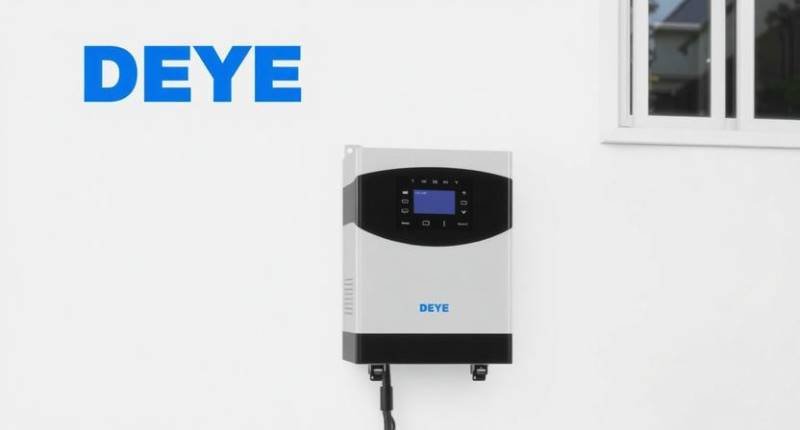
Maintenance Requirements
Deye solar inverters require minimal maintenance:
- Regular visual inspection
- Keeping ventilation areas clean
- Monitoring performance data
Expected Lifespan
With proper care, a Deye solar inverter can last:
- 10–15 years or more
- Batteries may need replacement earlier, depending on type
Cost Factors of Deye Solar Inverter in India
The price of a Deye solar inverter varies based on:
- Inverter capacity (kW rating)
- Type (on-grid, off-grid, hybrid)
- Battery compatibility
- Installation complexity
While exact prices vary by region and configuration, users often find Deye systems offer good value over their lifespan.
Energy Efficiency and Environmental Impact
Using a Deye solar inverter contributes to:
- Reduced carbon emissions
- Lower dependence on fossil fuels
- Cleaner air and environment
Solar energy adoption also supports India’s long-term renewable energy goals.
Choosing the Right Deye Solar Inverter
Before making a purchase, ask yourself:
- Do I need a battery backup
- How frequent are power cuts in my area?
- What is my daily energy consumption?
- Do I plan to expand the system later?
Answering these questions helps in selecting the most suitable Deye solar inverter model.
Common Mistakes to Avoid
- Choosing incorrect inverter capacity
- Ignoring future energy needs
- Skipping professional installation
- Not considering battery compatibility
Avoiding these mistakes ensures better system performance and satisfaction.
Conclusion
The Deye solar inverter stands out as a smart, reliable, and future-ready solution for solar energy users in India. Its hybrid technology, strong efficiency, safety features, and adaptability make it suitable for homes, businesses, and industries alike.
While the initial investment may be higher than basic inverters, the long-term benefits of lower electricity bills, power backup, and energy independence make it a worthwhile choice. If you are serious about solar power and want a system that works smoothly under Indian conditions, a Deye solar inverter is definitely worth considering.
If you found this guide helpful, feel free to share your thoughts or questions and explore how solar energy can transform your power usage.
Frequently Asked Questions (FAQ)
Q1. What makes a Deye solar inverter different from regular inverters?
Deye solar inverters offer hybrid functionality, smart monitoring, and battery compatibility, unlike basic inverters.
Q2. Is Deye solar inverter suitable for Indian homes?
Yes, it is designed to handle Indian weather conditions, voltage fluctuations, and power cuts.
Q3. Can a Deye solar inverter work without batteries?
Yes, on-grid models can work without batteries, while hybrid models can operate with or without batteries.
Q4. How long does a Deye solar inverter last?
With proper maintenance, it can last 10–15 years or more.
Q5. Does a Deye solar inverter provide backup during power cuts?
Hybrid and off-grid models provide backup power during outages.
Q6. Is professional installation necessary?
Yes, professional installation ensures safety, efficiency, and proper system configuration.
Q7. Can the system be expanded later?
Many Deye solar inverter models support future expansion, including additional panels and batteries.
Pingback: WSA Builds Explained: How to Install Android Apps on Windows