

Voltage swings both low and high can silently damage refrigerators, televisions, air conditioners and computers. This article explains in plain language how a V Guard stabilizer prevents damage by keeping voltage steady, how to choose the right model for your appliances and which features matter most. You will learn how to size a stabilizer for different loads, match models to refrigerators, televisions and air conditioners, follow simple installation and maintenance steps and use a clear buying checklist when making a purchase.
The guide is written for homeowners renters and small business owners who want practical actionable advice without technical jargon. Read on to find the right stabilizer for your needs, reduce repair bills and avoid unexpected downtime.
What a stabilizer does and why you may need one
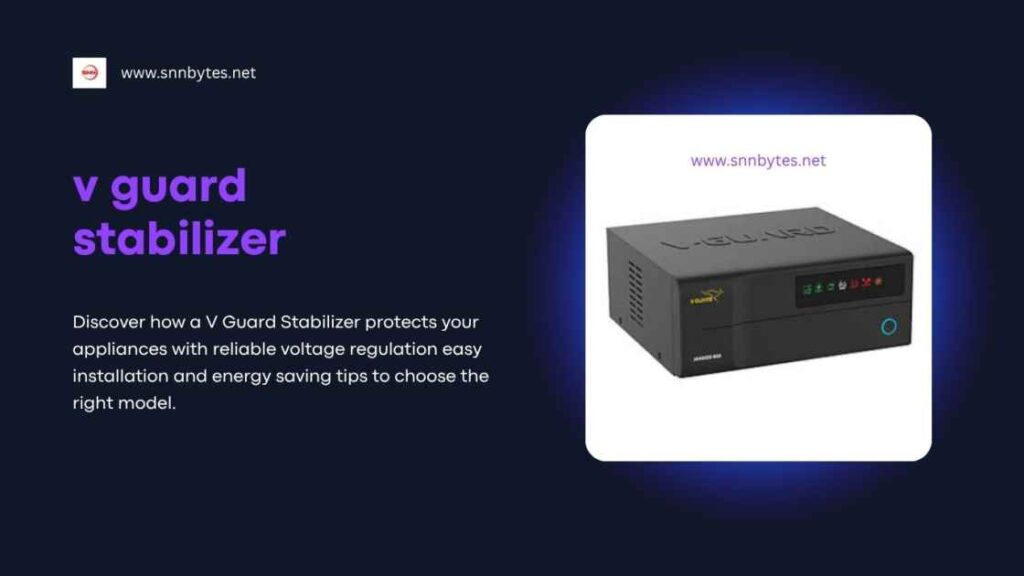
A stabilizer regulates incoming electrical supply to provide a steady safe voltage to the appliances you care about. It steps in when supply voltage drops or rises beyond safe limits and either corrects the voltage or disconnects the output to protect the connected device. Without a stabilizer prolonged low voltage can overheat motors and cause poor performance while high voltage and spikes can burn electronics. A stabilizer reduces repair bills and lengthens appliance life.
How stabilizers work in simple terms
Stabilizers measure the voltage coming into your home and adjust the output so that the appliance sees a steady level of power. Common approaches include relay switching and servo motor adjustment. Relay switching uses different transformer taps to step the voltage up or down in steps. Servo mechanisms make continuous adjustments for finer control. Many modern units add digital control for improved diagnostics and convenience.
Types of stabilizers and when to use each
Relay stabilizers
Relay stabilizers are cost effective and reliable for many common uses. They operate by switching taps on a transformer to select the closest corrected voltage. These are suitable for small to medium appliances where supply variation is moderate.
Servo stabilizers
Servo stabilizers provide more precise regulation by using a motor driven autotransformer that moves smoothly through the winding. They are the preferred option for heavy loads and sensitive equipment such as large refrigerators air conditioners and laboratory devices.
Digital stabilizers and microcontroller models
Digital models add features such as exact voltage readouts delay timers and diagnostic alerts. They simplify monitoring and can present useful data about the supply and unit status.
Choose based on appliance sensitivity local supply stability and budget. For critical or heavy loads servo models offer the best protection while relay models often provide good value for everyday devices.
Features that matter most
When evaluating a stabilizer check for these practical features rather than marketing claims.
- Working voltage range
A wider input range lets the stabilizer operate safely during deeper voltage dips or surges. - High and low cut off
This disconnects the appliance when input is dangerously outside safe limits preventing damage. - Time delay on restart
Delay protects compressors and motors by preventing rapid restarts after power loss. - Overload protection
Shuts down the output in case of sustained overload or short circuit. - Digital display and indicators
Allow you to monitor input and output voltages and spot supply problems quickly. - Build quality and cooling
Proper ventilation and a robust transformer increase reliability and life span. - Warranty and service support
Clear warranty coverage and accessible service centers make ownership easier.
These features help you match a model to the demands of your appliances and local supply conditions.
Matching stabilizer capacity to appliances
Choosing the right capacity is about managing current draw and especially starting current for motors. Follow these steps:
- Find the appliance rating
Check the name plate or manual for watts or amps. - Account for starting current
Motors and compressors can draw two or three times running current at startup. Use starting current when sizing for such appliances. - Add a safety margin
Choose a stabilizer with a capacity about 20 to 30 percent above the expected maximum to prevent frequent overload. - Combine loads carefully
If the stabilizer will feed several appliances add their maximum draws and include a margin.
When in doubt consult a qualified electrician or the brand support to confirm matching models.
Recommended stabilizer choices by appliance type
Refrigerators and freezers
Refrigerators use a compressor that sees high starting current. Pick a stabilizer rated for the appliance capacity that offers a suitable working range and a time delay to avoid short cycling. Models positioned for refrigeration often include helpful indicators and delay settings.
Televisions and home theater
Large screen and smart televisions are sensitive to spikes. An accurate stabilizer with low ripple and quick correction protects display electronics and media devices. Consider a model with a clear digital readout so you can monitor supply conditions.
Air conditioners
Air conditioners have heavy starting currents and can fail prematurely under prolonged low voltage. Match the stabilizer to the tonnage and choose a unit with wide input range overload protection and a reliable delay on restart.
Computers and networking gear
Computers usually pair with small uninterruptible power supplies for backup. If you use a stabilizer look for low ripple fast response and stable output to protect sensitive electronics and avoid data corruption.
Installation and placement best practices
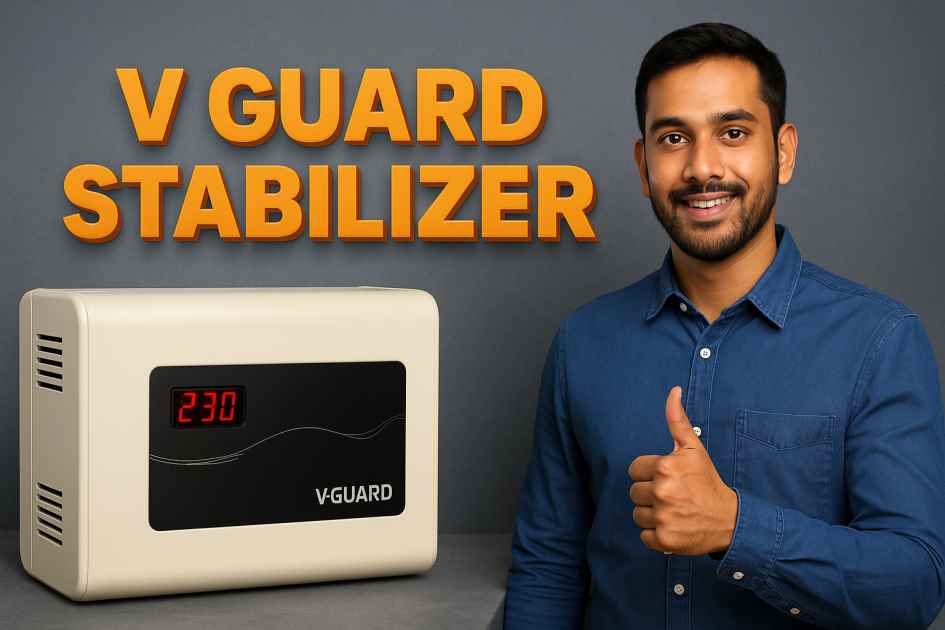
- Choose a dry ventilated spot
Avoid direct sunlight and moist areas to protect the stabilizer from heat and corrosion. - Mount according to instructions
Leave air gaps for ventilation and follow the manufacturer mounting guide. - Use correct wiring
Use the recommended wire gauge and neat secure connections to avoid voltage drop and fire risk. - Ensure proper earthing
Correct earthing is crucial for safety. Follow local rules and have an electrician verify the connection. - Set delay timings where available
Protect motors and compressors by using the built in delay options.
Professional installation is recommended for heavy appliances and permanent wired setups.
Maintenance and troubleshooting tips
A stabilizer requires minimal maintenance but these checks extend life and prevent issues.
- Regular visual inspection
Look for dust clogged vents loose wires or corrosion. Clean the vents with compressed air when the unit is off. - Monitor voltages
Check input and output readings if the unit has a display. Unexpected readings often point to wiring or supply problems. - Listen for unusual sounds
Mild humming is common. Loud noise or excessive vibration suggests mechanical issues needing professional attention. - Address frequent tripping
Repeated trips often mean overload or short circuits. Check the connected appliance wiring and confirm the stabilizer capacity. - Call authorized service for internal faults
Do not open the unit unless trained. Use the brand service to keep warranty coverage intact.
Common problems and what to do
- No output despite input present
The stabilizer may be in protective cut off. Check for a visible delay period and restart sequence. If it persists call service. - Poor appliance performance
The stabilizer may be undersized or the supply may be outside the working range. Verify specifications and assess the supply quality. - Frequent trips or faults
Inspect appliance wiring for shorts and confirm the stabilizer rating matches the appliance demand. - Error displays
Refer to the manual for code meaning and contact support if needed.
Safety note Always disconnect power before inspecting wiring and involve a qualified electrician for internal checks.
Energy use and cost considerations
A stabilizer consumes a small amount of power to operate. Higher quality units are designed for efficient regulation and the modest running cost is typically outweighed by the benefits of improved appliance performance and reduced repair costs. Servo models may use slightly more energy due to continuous mechanical adjustment but they provide tighter control which can improve the efficiency of motor driven appliances.
Think of a stabilizer as an investment in appliance longevity and reliability rather than a recurring high cost.
Warranty and after sales considerations
Confirm the warranty coverage and what it includes. Good warranty terms cover manufacturing defects and often provide on site service. Keep your purchase invoice and registration details as required by many service programs. Check local service availability to ensure timely repairs and support.
Buying checklist
Use this quick checklist when comparing models at the store or online.
- Is the model rated for the appliance capacity
- Does the working input range match local supply swings
- Does it include time delay and overload protection
- Is the output accuracy suitable for the equipment
- Are display and diagnostics adequate for your needs
- What are the warranty terms and nearest service center
- Does the unit fit the planned installation space and ventilation needs
- Is the price fair for the features offered
This checklist keeps focus on the important details beyond brand claims.
Pros and cons at a glance
Pros
- Offers specific protection for sensitive and motor driven appliances
- Reduces risk of repair bills and appliance replacement
- Comes in models tailored for refrigerators televisions air conditioners and more
- Protects investment by maintaining stable operation and performance
Cons
- The best precision models cost more up front
- Some budget models may not provide the tightest regulation
- Service quality can vary by location so check support before buying
Practical scenarios and recommendations
Frequent low voltage areas
Choose a stabilizer with a wide low end working range and strong low voltage cut off. For large appliances consider a higher capacity unit or a servo type for dependable protection.
Protecting home entertainment
For a high quality television or home theater choose a stabilizer that emphasizes accurate regulation and low ripple. A clear digital display helps you quickly spot supply changes.
Single appliance protection
If you only need protection for one appliance such as a refrigerator select a compact unit rated for that usage. These are simple to install and cost effective.
How to compare technical specifications
When reading spec sheets compare these values across models.
- Working input voltage range
Shows limits the stabilizer can manage safely. - Output accuracy
Indicates how close the output stays to nominal voltage. - Rated capacity
Measured in amps or kva it shows maximum continuous load. - Delay time
Important for compressor protection. - Protection features
Short circuit thermal overload surge protection and cut off options.
Make decisions based on these measurable values and not just marketing phrases.
Safety and regulatory points
- Follow local electrical codes for wiring earthing and installation
- Use the correct wire gauge and secure connections to reduce risk
- Do not bypass protective features or attempt repairs without training
- Dispose of old units responsibly according to local electronic waste rules
Authorized service centers provide safer repairs and preserve warranty coverage.
Conclusion
A stabilizer provides straightforward protection that often pays for itself by preventing costly repairs and extending appliance life. Focus on matching capacity working range and protection features to your appliances and verify warranty and service support in your area. With careful selection proper installation and routine checks a stabilizer will keep appliances running smoothly and reduce the stress of unstable supply.
If you would like a printable checklist a short comparison table for three recommended model types or a version of this article tailored to a specific appliance let me know which appliance to focus on.
Frequently Asked Questions
What is the main benefit of using a stabilizer
A: It protects appliances by providing steady voltage which prevents motor damage and electronic failure.
Do all refrigerators need a stabilizer
A: Many modern refrigerators have some internal protection but an external stabilizer provides stronger defense against wide voltage swings.
Can one stabilizer protect multiple appliances
A: Yes if the stabilizer is properly sized for the combined load. For sensitive devices dedicated stabilizers can be a better choice.
How long does a stabilizer typically last
A: Lifespan depends on build quality environment and use. With normal use many units last several years and provide reliable protection.
Is a servo stabilizer always the best option
A: Servo stabilizers offer finer regulation and suit heavy or sensitive loads but they cost more. Relay stabilizers are a practical option for lighter needs.
How can I tell if a stabilizer is undersized
A: Signs include repeated tripping overheating and reduced appliance performance. Compare the rated capacity with the appliance starting and running currents.
What should I check in the warranty
A: Look for duration coverage details on parts and labor and whether on site service is included. Keep purchase documents safe for claim support.
Who should install the stabilizer
A: For heavy appliances and permanent wiring installations hire a licensed electrician to ensure safe correct installation and to retain warranty validity.
Pingback: Steam Iron for Clothes That Smooths Fast