
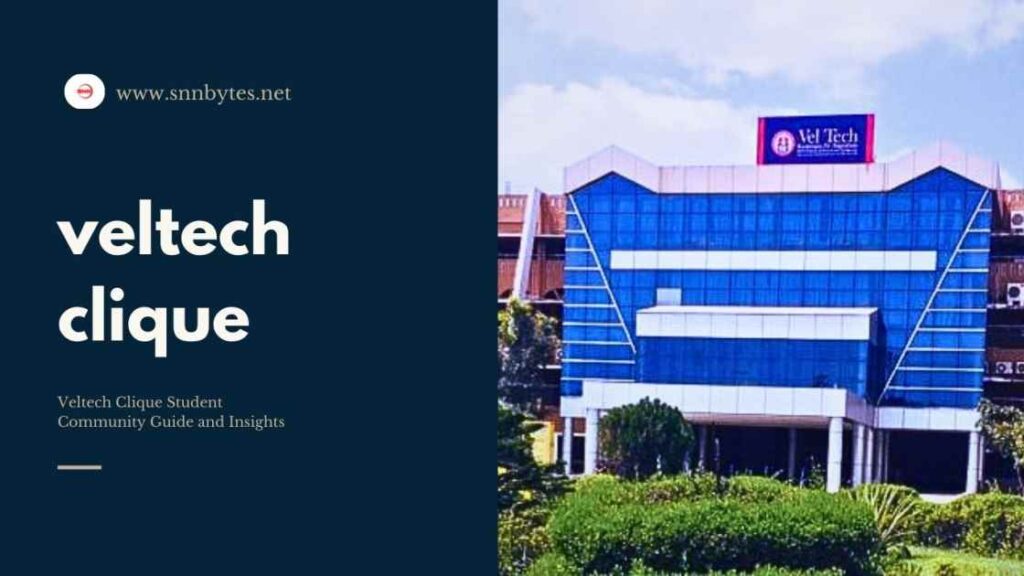
Want to make the most of your campus years with stronger connections, real skills, and better career readiness? This guide walks you through everything about Veltech Clique, a student community model focused on peer support, professional growth, and meaningful campus involvement.
Read on for practical steps to join or build a thriving community, run high-impact events, measure results, and avoid common pitfalls.
What is Veltech Clique?
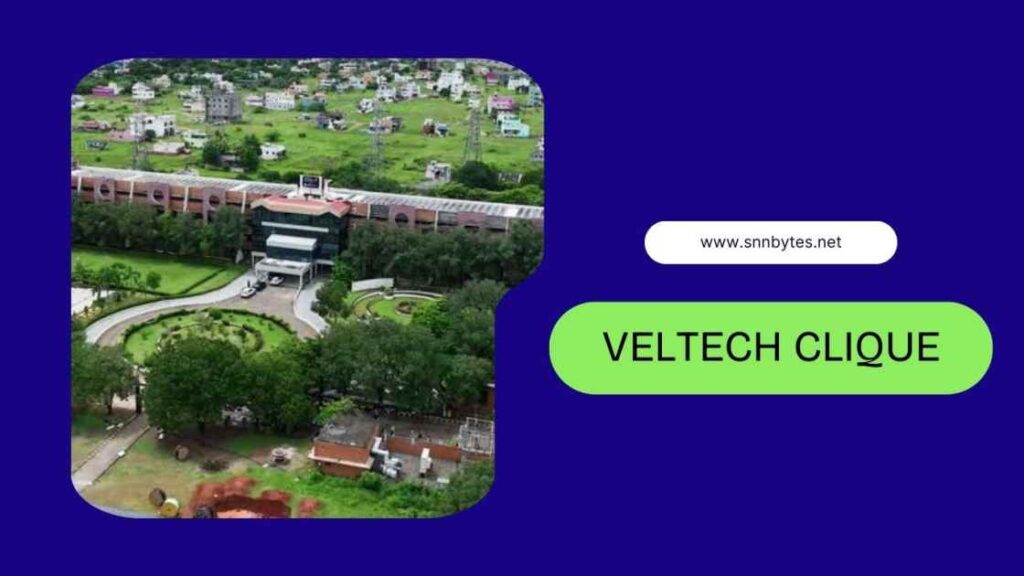
Veltech Clique is a flexible student community structure that brings together students across years and disciplines to learn, collaborate, and grow. It typically focuses on:
- Peer-to-peer mentorship and academic support
- Career preparation and employer engagement
- Project-based learning and hands-on experiences
- Events, workshops, and speaker sessions
- Social activities that build belonging and well-being
Think of it as a blueprint you can adapt to small groups, department initiatives, or campus-wide communities.
Why join Veltech Clique?
Networking and relationships
You get access to peers, seniors, and alumni who can become teammates, mentors, and future colleagues.
Career readiness
Workshops, mock interviews, portfolio reviews, and project showcases sharpen your application and interview profile.
Accelerated learning
Practical, project-based experiences help you learn faster and retain more than solo study.
Mentorship and support
Structured mentorship reduces academic stress and helps with course planning, career choices, and personal development.
Leadership opportunities
Active members gain leadership experience, recognition, and credentials useful for job and scholarship applications.
How Veltech Clique typically operates

Leadership and governance
A small core team usually runs the community roles like coordinator, events lead, finance lead, outreach lead, and content lead. Subcommittees handle workshops, projects, mentorship, and promotions. Clear role descriptions and regular handovers keep things steady when leadership rotates.
Membership models
- Open membership for broad participation
- Application-based cohorts for focused cohorts or honors tracks
- Hybrid models where events are open but leadership and projects are selective
Funding and resources
Communities commonly rely on small membership contributions, campus funding, sponsorships, or in-kind support like venue access and equipment loans. Transparent budgeting builds trust.
Benefits for members — what you gain
- Real-world project experience for your resume
- Improved interview readiness and confidence
- Better soft skills: communication, teamwork, time management
- A supportive peer network for academic and emotional support
- Enhanced visibility with alumni and potential recruiters
How to get involved — practical steps
- Attend an introductory session to understand the group’s culture.
- Join a working group or committee to test your fit.
- Volunteer for small tasks to build credibility and experience.
- Take on a micro-leadership role before committing to a major position.
- Help onboard new members to strengthen the community.
For quieter students, start with backend roles like research, content, or logistics and gradually take on visible tasks.
Designing high-impact events
Event types that work well
- Short, practical skill workshops
- Industry panels and alumni talks
- Hackathons or sprint challenges
- Project showcase nights
- Focused study sessions or accountability jams
Event planning checklist
- Define the objective and audience
- Plan budget, timeline, and backup options
- Secure venue and necessary equipment
- Confirm facilitators or speakers early
- Promote the event with benefit-driven messaging
- Capture feedback and archive materials
Effective promotion tactics
- Clear, concise value statements about participant benefits
- Personal invites to potential contributors and influencers
- Visual posters or social posts with simple sign-up options
- Small incentives or recognition for early registrants
Turning community activity into career opportunities
- Invite recruiters for fireside chats and recruitment talks
- Host portfolio reviews and showcase projects to potential employers
- Maintain a community portfolio that highlights member skills and projects
- Encourage alumni referrals and cultivate internship pipelines
A simple record of projects and member skills can be useful when presenting community impact to companies, while always respecting privacy.
Skill development pathways
Technical learning
Organize short micro-courses and bootcamps that run across a semester to build core technical capabilities.
Soft skills training
Offer sessions on presentation, negotiation, and teamwork; consider peer coaching for practice and feedback.
Leadership practice
Rotate responsibility through small, time-bound projects and run reflection sessions to develop planning and delegation skills.
Project-based learning
Form cross-disciplinary teams to tackle real problems, producing concrete outputs for portfolios.
Governance, transparency, and trust
To build a trusted community:
- Document processes and produce simple role descriptions
- Be transparent with finances and publish summaries to members
- Create a short code of conduct and clear dispute resolution steps
- Verify external mentors and alumni before inviting them to represent the group
- Protect personal data and get consent before sharing any member information
These practices strengthen credibility with members, parents, and external partners.
Common problems and practical solutions
Low engagement
Offer short, high-value events; create micro-commitments; publicly recognize contributors.
Leadership burnout
Distribute tasks, set clear term limits, and schedule downtime between major events.
Funding constraints
Run low-cost events, apply for small campus grants, or offer in-kind benefits that reduce expenses.
Inclusivity gaps
Rotate meeting times, use hybrid formats, and collect anonymous feedback to surface issues.
Conflict among members
Establish a mediation process and an escalation path to a neutral advisor.
Pros and cons at a glance
Pros
- Faster learning and skill-building
- Stronger professional networks
- Real project experience for portfolios
- Leadership and personal growth opportunities
Cons
- Time commitment can be significant
- Risk of cliquish behavior without inclusive policies
- Logistical and funding challenges
- Potential for burnout among core volunteers
Measuring success — KPIs and impact indicators
Track a mix of quantitative and qualitative metrics:
Quantitative
- Event attendance and repeat participation
- Number of active members each term
- Projects completed and showcased
- Internship or job placements linked to the community
Qualitative
- Member satisfaction and testimonials
- Quality of mentorship relationships
- Alumni engagement and endorsements
Use short post-event surveys and an annual summary to show impact and attract support.
Practical tips for student leaders
- Keep documentation simple and accessible
- Run brief retrospectives after events to collect lessons learned
- Prepare an onboarding pack for new members and leaders
- Create micro-roles that suit busy students
- Prioritize accessibility with hybrid events and alternative timings
- Start alumni outreach early to build mentorship and sponsorship channels
Sponsorship and fundraising essentials
- Prepare a concise sponsorship brief that highlights outcomes and audience demographics.
- Offer clear benefit tiers for sponsors and state deliverables.
- Provide post-event summaries to demonstrate return on investment.
- Approach small local sponsors and alumni-run businesses for early wins.
- Ask for in-kind support such as equipment or venue use when monetary funding is limited.
Semester plan for a new cohort
Month 1 — Member recruitment, introductory events, form subcommittees
Month 2 — Launch mentorship pairings and a workshop series
Month 3 — Host a mid-sized industry panel or a mini-hackathon
Month 4 — Showcase projects, collect feedback, start leadership nominations
Month 5 — Document outcomes, prepare handover and plan for next cycle
A phased approach keeps momentum while preventing overload.
Making a signature event memorable
- Choose a focused theme with clear participant benefits
- Involve alumni or industry volunteers for reviews and feedback
- Offer certificates or small recognitions to attendees and presenters
- Capture photos and short recordings for promotion and archives
- Follow up with participants to maintain engagement and provide next steps
Conclusion
Veltech Clique-style student communities can transform campus life into a practical, career-focused, and supportive experience. By combining clear governance, inclusive practices, outcome-oriented events, and measurable goals, these groups empower members to develop skills, build networks, and position themselves for future success. Start with one small action this week: attend an intro meeting, volunteer for a micro-task, or reach out to a senior for 15 minutes of advice and build momentum from there.
If you found this guide helpful, consider sharing one small win from your community or asking a question in the comments to spark conversation and help others get started.
FAQ
Who can join Veltech Clique?
A: Usually any enrolled student can join. Some programs may include recent alumni or have selective cohorts for specific projects.
How much time should I expect to commit?
A: Typical participation ranges from 2–6 hours per week. Leadership roles often require more time; micro-roles are ideal for busier students.
Are these communities officially recognized by universities?
A: Recognition varies. Many student communities partner with campus offices or departments to access funding and facilities.
What if I’m introverted or not confident in public speaking?
A: Start with backend roles like content, research, or event logistics. These roles are valuable and often lead to gradual confidence gains.
How do we make the community inclusive?
A: Adopt a code of conduct, rotate meeting times, use hybrid formats, and solicit anonymous feedback to address issues.
How can the community support internships and jobs?
A: Through portfolio showcases, employer meetups, alumni referrals, and resume and interview preparation sessions.
How should leaders prevent burnout?
A: Share responsibilities, set reasonable term limits, build a pipeline of volunteers, and schedule breaks between intense activity periods.
How can we measure the impact of our activities?
A: Track attendance, repeat participation, completed projects, placements, and member satisfaction through short surveys and annual summaries.