

Have you ever come across a viral photo of a beluga whale and wondered, “Do beluga whales really have knees?” If so, you’re not alone. This strange question has taken over social media, sparking curiosity and confusion worldwide.
The truth is both fascinating and surprising, revealing just how clever nature can be at creating optical illusions. In this article, we’ll dive deep into the myth of beluga whale knees, uncover the real science behind their anatomy, and explore how these beautiful creatures have inspired legends of mermaids and ocean mysteries.
What Are Beluga Whale Knees? The Viral Internet Myth Explained

Beluga whales are famous for their expressive faces, flexible necks, and playful personalities. But in recent years, images showing what appear to be “human-like knees” have gone viral, leading many to wonder if these Arctic whales have legs hidden beneath their smooth white skin.
Key Points:
- Beluga whales do not have knees like humans or land mammals.
- Viral photos often show bulging areas that appear to be joints or legs.
- These “knees” are actually a natural illusion caused by the whale’s unique body structure.
Why This Myth Became So Popular
- Internet users love odd, quirky animal facts.
- Photos can deceive when seen out of context.
- Many people are fascinated by anything that seems “almost human” in animals.
Quick Facts Table
| Claim | Reality |
| Beluga whales have knees | False – no knees, just blubber pads |
| Beluga whales have legs | False – only pectoral flippers and tail |
| Knees are bones or joints | False – it’s an illusion |
Why Do Beluga Whales Look Like They Have Knees?
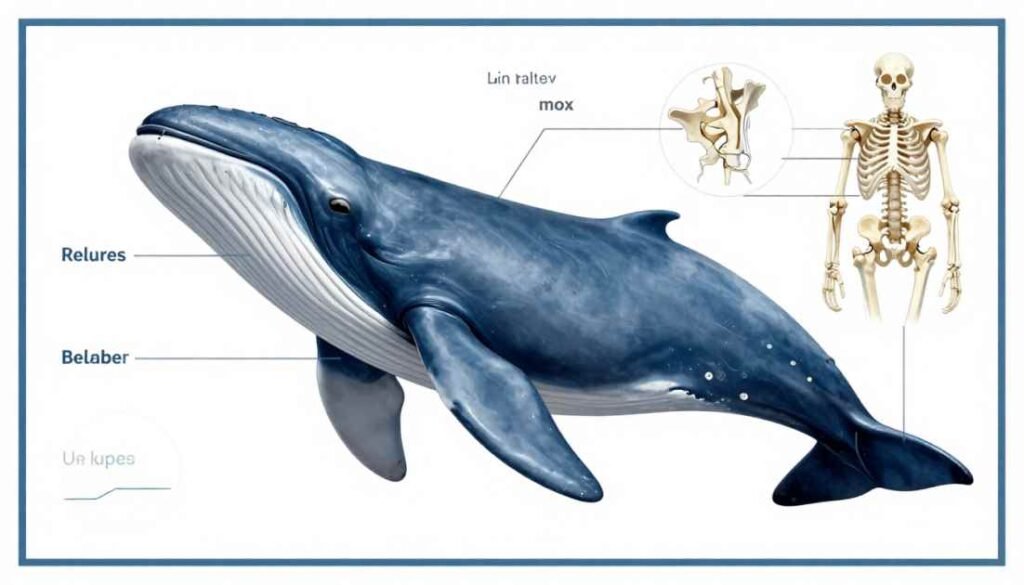
Let’s break down the science behind this visual trick. There are three main reasons why beluga whales appear to have knees:
1. Abdominal Fat Pads
- The “knees” you see in photos are actually thick, symmetrical pads of blubber located along the whale’s abdomen.
- Belugas have more blubber than most whales, which helps them survive in icy Arctic waters.
- When they arch, bend, or twist, these fat pads poke outward, forming rounded bulges that resemble knees.
2. Muscular Tension and Movement
- When belugas swim, roll, or stretch, their muscles tighten and push the blubber into new shapes.
- This tension causes the blubber to protrude, especially during activities like rolling over, flexing, or swimming upside down.
- The effect is even more dramatic in underwater photos or when viewed from certain angles.
3. Evolutionary Remnants
- All whales, including belugas, evolved from four-legged land mammals millions of years ago.
- While they no longer have functional legs, belugas still have tiny, free-floating pelvic bones inside their bodies.
- These bones are not attached to the whale’s spine and are not visible, but their presence is a clue to the whale’s ancient ancestry.
Beluga Whale Knees Skeleton: The Real Structure Inside
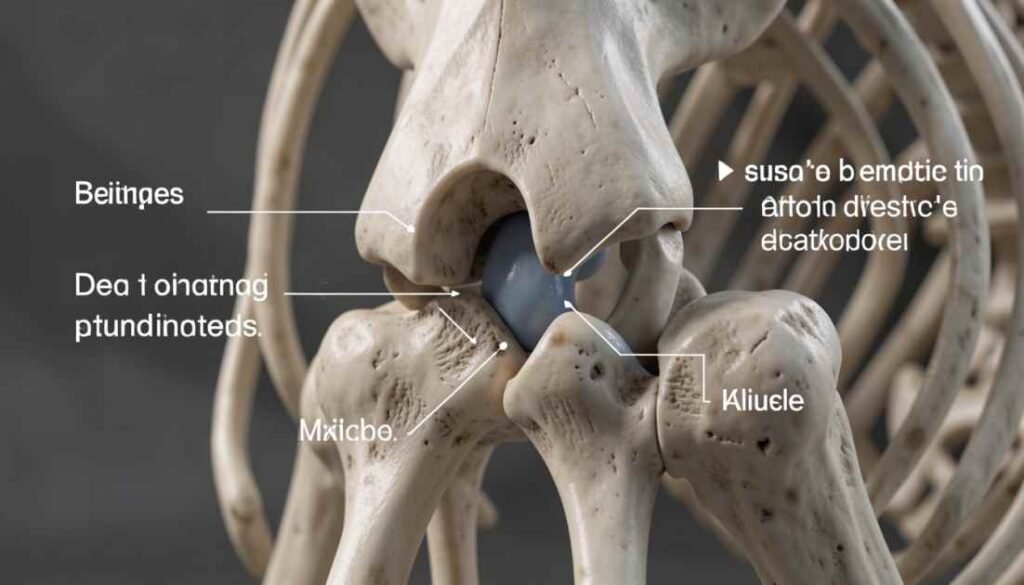
The inside of a beluga whale holds the real secret to this mystery. Let’s look at what their skeleton actually contains.
Whale Skeleton Structure
- Pectoral Flippers: These are the only real “limbs” belugas possess.
- Pelvic Bones: Small, vestigial bones left over from their evolutionary past.
- No Knees: There are no knee joints or leg bones in a beluga’s skeleton.
Beluga Whale Internal Skeleton Diagram (Description)
- The whale’s pectoral flippers are well-developed and used for steering.
- Vestigial pelvic bones float near the belly, surrounded by blubber.
- There is no connection between these bones and any limb or joint.
Evolution and Anatomy Table
| Feature | Function/Origin |
| Flippers | Steering and movement |
| Vestigial bones | Evolutionary leftovers, no present use |
| Blubber pads | Insulation, buoyancy, and visual illusion |
Mermaid Legends and Beluga Whales

The beluga whale’s strange, human-like body shapes have inspired both science and legend. Many historians and marine biologists believe that ancient sailors, spotting these white whales in the foggy Arctic, may have sparked stories of mermaids and mermen.
Why Belugas Inspired Mermaid Tales
- Flexible Necks: Unlike most whales, belugas can turn their heads almost like humans, adding to their “person-like” appearance.
- Vocal Sounds: Their high-pitched, singing-like calls earned them the nickname “canaries of the sea.”
- Blubber Bulges: The knee-like shapes could resemble human legs or joints from a distance.
- Misty Waters: Shimmering, ghostly bodies in fog could easily be mistaken for mythical sea creatures.
Fun Fact List
- Belugas are one of the most vocal whale species.
- Historically, Arctic explorers described “sea people” after encountering belugas.
- Mermaid tales appear in nearly every coastal culture, often tied to real sightings of marine life.
Comparing Beluga Anatomy: Knees, Limbs, and More
Let’s put the facts side-by-side to clear up any confusion.
Feature Comparison Table
| Body Part | Beluga Whale Reality | Human/Other Mammals |
| Knees | NONE – only blubber pads | True knee joints |
| Legs | NONE – only vestigial bones | Full legs with joints |
| Flippers | Developed, used for movement | Arms/hands |
| Tail | Flukes, powerful swimming | No direct human equivalent |
| Abdominal Folds | Muscular, helps with movement | Absent |
Visual Illusion vs. Reality
- Photos can create the illusion of knees.
- In reality, these are just soft tissue, not bones or joints.
- There are no “evil beluga whale knees” or hidden limbs waiting to appear.
Pros and Cons of Beluga Whale Anatomy
Like all creatures, belugas have evolved their bodies to survive harsh ocean environments.
Pros
- Blubber provides excellent insulation against freezing water.
- Flexible bodies allow for agile swimming and maneuvering.
- Unique anatomy helps camouflage and protect vital organs.
Cons
- Bulky blubber can sometimes make movement less efficient.
- Vestigial bones serve no real purpose.
- Misinterpretations lead to myths and misinformation.
Common Misconceptions and Viral Internet Photos
Not everything you see online is true. Let’s clear up some popular myths about beluga whale knees.
Top Myths
- Belugas have knees like people.
Fact: They do not, only fat pads. - Those bulges are bones or joints.
Fact: They are just blubber, not skeleton. - Belugas are part human or mermaid.
Fact: They are marine mammals, not mythical creatures.
How to Spot Misinformation
- Check reputable sources (marine biology and science journals).
- Look for clear explanations and diagrams, not just viral images.
- Remember that animal anatomy can be surprising but is always rooted in evolution.
Conservation and the Importance of Understanding Beluga Anatomy
Why does it matter whether belugas have knees? Understanding their real anatomy helps us protect them and their habitats.
Conservation Points
- Belugas are a vulnerable species in many Arctic regions.
- Their unique anatomy makes them sensitive to changes in water temperature and pollution.
- Misunderstandings can distract from real conservation issues.
How You Can Help
- Support ocean conservation groups.
- Learn the facts and share accurate information.
- Respect wildlife and natural habitats.
Final Thoughts
Beluga whales are mysterious, beautiful, and full of surprises—but they definitely do not have knees. What you see in viral photos is a clever illusion created by nature, not evidence of hidden limbs or mermaid ancestry.
By learning the real facts about beluga whale anatomy, you’re helping build a more informed, respectful attitude toward these amazing creatures.
FAQ: Beluga Whale Knees
Do beluga whales have knees?
No, beluga whales do not have knees. The bulges you see are blubber pads.
What are the “knees” in beluga whale photos?
They are thick, fat pads, not bones or joints.
Do belugas have any leg bones left?
They have tiny vestigial pelvic bones, but no legs or knees.
Did beluga whales evolve from animals with knees?
Yes, their ancestors were four-legged mammals, but modern belugas have lost those limbs.
Can beluga whales walk or crawl?
No, they are fully aquatic and move using their flippers and tails.
Why do some people call them “mermaids”?
Ancient sailors may have mistaken their human-like features and movements for those of mythical mermaids.
Are beluga whales related to dolphins?
Yes, both are cetaceans, but they are different species.
How can I learn more about beluga anatomy?
Look for reputable marine biology resources or visit aquariums with educational programs.