
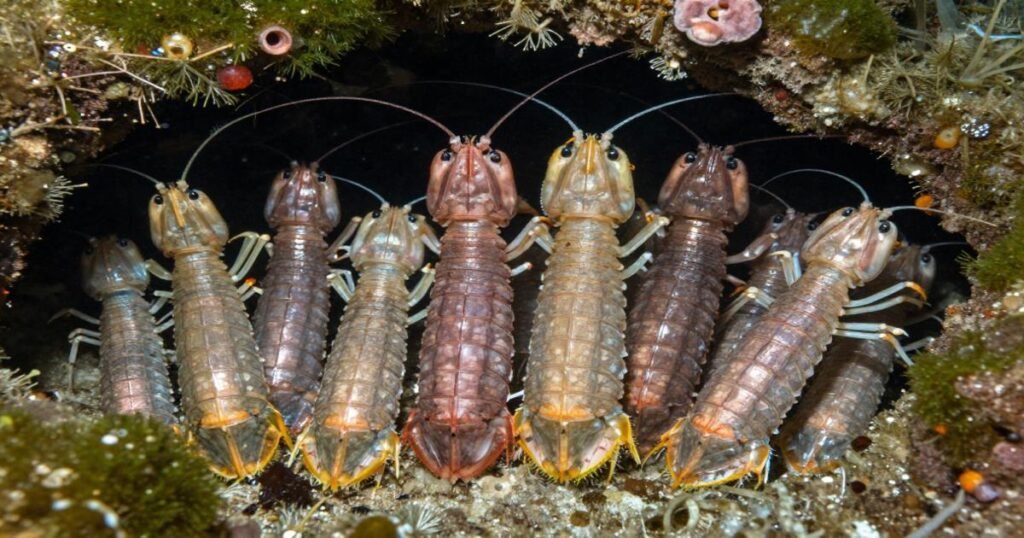
When people hear about mantis shrimp, they usually think of their lightning-fast punch or their dazzling, almost alien-like eyes. But one question rarely gets attention: What is the real mantis shrimp lifespan?
Understanding the mantis shrimp lifespan is more than just a fun fact. It reveals how these powerful marine predators survive in coral reefs, how they grow, and what it takes to care for one in a home aquarium. Whether you’re a marine life enthusiast, a student researching ocean ecosystems, or someone considering exotic pet care, this guide will walk you through everything you need to know.
In this in-depth article, we’ll explore:
- The average mantis shrimp lifespan in the wild
- How long do mantis shrimp live in captivity
- Factors that influence their survival
- Differences among species
- Growth stages and molting cycles
- Pros and cons of keeping them as pets
- Scientific insights into their longevity
Let’s dive in.
What Is a Mantis Shrimp?
Mantis shrimp are not true shrimp. They belong to the order Stomatopoda, a group of marine crustaceans that evolved more than 400 million years ago.
They are closely related to crabs and lobsters, but stand out because of:
- Extremely powerful raptorial appendages
- Advanced color vision
- Complex social behaviors
- Burrow-dwelling lifestyles
Some species are nicknamed thumb splitters due to their defensive strikes. Their punch can break shells and even crack aquarium glass under certain conditions.
But how does this impressive biology affect their lifespan?
Average Mantis Shrimp Lifespan in the Wild
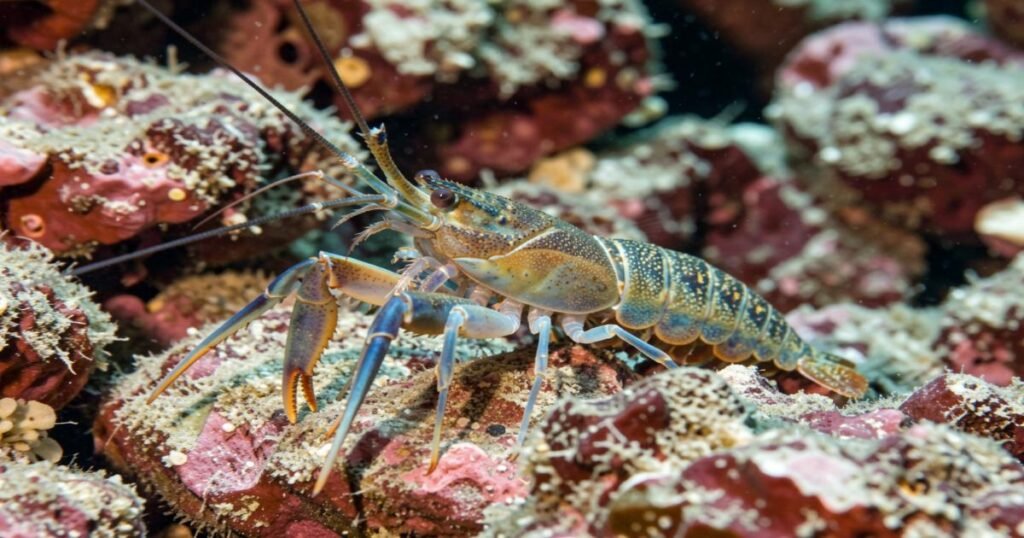
The mantis shrimp lifespan in the wild typically ranges between:
- 3 to 6 years for smaller species
- 10 to 20 years for larger species
Yes, some mantis shrimp can live two decades or more under ideal conditions.
Why Such a Wide Range?
There are over 450 known species of mantis shrimp. Lifespan varies depending on:
- Species size
- Habitat type
- Predation pressure
- Food availability
- Water conditions
For example, larger species like the Odontodactylus scyllarus, commonly known as the peacock mantis shrimp, are known to live around 15–20 years in favorable environments.
Smaller reef-dwelling species may only live 3–5 years due to higher predation and environmental instability.
Mantis Shrimp Lifespan in Captivity
In captivity, the mantis shrimp lifespan depends heavily on:
- Tank size
- Water quality
- Diet
- Stress levels
- Molting success
Average Lifespan in Aquariums
- Small species: 2–4 years
- Larger species: 8–15 years
Some aquarists report individuals living over 15 years with excellent care.
Why Captive Lifespan May Be Shorter
While aquariums protect mantis shrimp from predators, they introduce new risks:
- Improper salinity
- Poor water filtration
- Inadequate diet
- Failed molts
- Stress from tank mates
Captive longevity requires consistent marine tank maintenance and advanced knowledge of crustacean care.
What Factors Influence Mantis Shrimp Lifespan?
Several biological and environmental factors directly impact mantis shrimp lifespan.
1. Species Type
There are two main categories:
- Smashers – break shells with club-like appendages
- Spearers – stab soft-bodied prey
Smashers often have thicker exoskeletons and may live slightly longer, especially larger species.
2. Habitat Conditions
Wild mantis shrimp live in:
- Coral reefs
- Tropical lagoons
- Sandy seabeds
- Subtropical coastal waters
Stable reef ecosystems support longer lifespans due to:
- Consistent temperature
- Abundant prey
- Fewer environmental fluctuations
Climate change and reef degradation can shorten mantis shrimp lifespan by disrupting food chains.
3. Molting Success
Like all crustaceans, mantis shrimp grow by molting.
Molting involves:
- Shedding the old exoskeleton
- Expanding a new, soft exoskeleton
- Hardening over several days
Molting is a vulnerable time. Failed molts can result in death. Younger mantis shrimp molt more frequently, while adults may molt only once or twice per year.
Successful molting is critical for long-term survival.
4. Diet and Nutrition
A protein-rich marine diet improves longevity.
In the wild, mantis shrimp eat:
- Snails
- Crabs
- Clams
- Small fish
- Worms
In captivity, a balanced diet may include:
- Fresh marine shrimp
- Clams
- Squid
- Occasional live prey
Poor nutrition weakens the exoskeleton and shortens lifespan.
5. Predators
Despite their power, mantis shrimp are preyed upon by:
- Large fish
- Octopuses
- Sharks
- Humans (in some regions)
Juveniles face the highest mortality rates. Adults in burrows are better protected.
Growth Stages and Life Cycle
Understanding the mantis shrimp lifespan requires knowing their life stages.
1. Egg Stage
Females lay hundreds to thousands of eggs.
- Eggs are often guarded
- Incubation lasts several weeks
Parental care varies by species.
2. Larval Stage
Mantis shrimp larvae:
- Drift in plankton
- Undergo multiple molts
- May remain in the water column for weeks to months
High mortality occurs during this stage.
3. Juvenile Stage
Juveniles settle on the seabed and begin burrow construction.
They:
- Develop hunting appendages
- Learn territorial behavior
- Experience rapid molting
4. Adult Stage
Adults:
- Establish permanent burrows
- Defend territories
- Reproduce seasonally
Lifespan largely depends on reaching adulthood successfully.
How Long Do Peacock Mantis Shrimp Live?
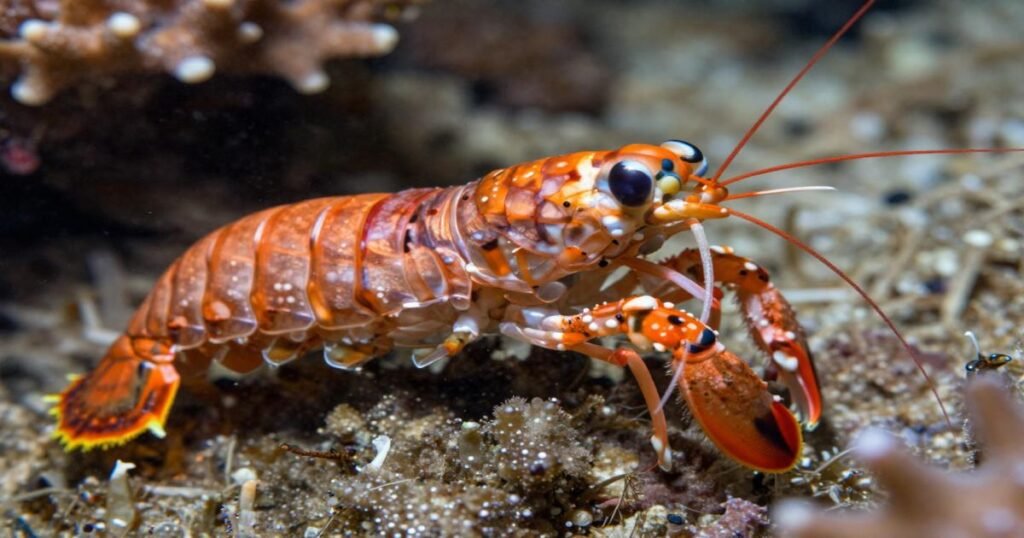
The Odontodactylus scyllarus is the most famous species due to its vibrant colors and incredible punch.
Typical Lifespan:
- Wild: 15–20 years
- Captivity: 10–15 years (with proper care)
They grow up to 7 inches long and require specialized aquariums due to their striking force.
Because they are larger and more robust, they generally outlive smaller species.
Scientific Insights into Longevity
Researchers study mantis shrimp for their:
- Biomechanics
- Vision systems
- Exoskeleton strength
Their exoskeleton structure is highly impact-resistant, inspiring materials science innovations.
Although not directly linked to lifespan, their durable body structure contributes to long-term survival in reef ecosystems.
Do Mantis Shrimp Live Longer Than Regular Shrimp?
Yes.
Most common shrimp species live:
- 1–3 years
Mantis shrimp often live:
- 5–20 years, depending on species
Their burrow lifestyle and powerful defense mechanisms give them a survival advantage.
Pros and Cons of Keeping Mantis Shrimp as Pets
If you’re researching mantis shrimp lifespan for aquarium planning, here’s an honest breakdown.
Pros
- Fascinating behavior
- Long lifespan compared to other marine invertebrates
- Intelligent and interactive
- Unique coloration
Cons
- Require species-only tanks
- Can break aquarium glass
- Aggressive toward tank mates
- Sensitive to water quality
- Expensive marine tank setup
They are not beginner pets.
How to Maximize Mantis Shrimp Lifespan in Captivity
For marine hobbyists in the USA, proper care is essential.
1. Tank Size
- Minimum 30–40 gallons for larger species
- Thick acrylic tanks are recommended
2. Stable Water Parameters
Maintain:
- Temperature: 72–80°F
- Salinity: 1.023–1.025
- pH: 8.1–8.4
Consistency matters more than perfection.
3. Proper Diet
Feed 2–3 times weekly:
- Marine shellfish
- Fresh seafood
- Avoid freshwater feeder fish
4. Provide Burrow Structures
Use:
- PVC pipes
- Live rock formations
- Deep sand beds
Burrows reduce stress and increase longevity.
5. Avoid Overhandling
Stress significantly reduces mantis shrimp lifespan.
Limit:
- Tank disturbances
- Sudden lighting changes
- Aggressive tank mates
Environmental Threats Affecting Lifespan
Wild mantis shrimp face growing environmental risks:
- Coral bleaching
- Ocean acidification
- Pollution
- Coastal habitat destruction
Ocean acidification weakens shell-forming organisms, which could indirectly impact mantis shrimp survival by reducing prey availability.
Mantis Shrimp and Ecosystem Balance
Mantis shrimp are mid-level predators.
They help control:
- Snail populations
- Crab populations
- Small reef fish
A healthy mantis shrimp population indicates a balanced reef ecosystem.
Longer mantis shrimp lifespan contributes to long-term reef stability.
Myths About Mantis Shrimp Lifespan
Let’s clear up common misconceptions.
1: They Only Live a Few Years
False. Some species live 20 years or more.
2: Their Punch Shortens Their Life
No scientific evidence supports this claim.
3: They Can’t Survive in Aquariums
They can, but only with advanced care.
Are Mantis Shrimp Endangered?
Most mantis shrimp species are not currently classified as endangered. However, reef-dependent species are vulnerable to habitat loss.
Conservation efforts aimed at coral reefs indirectly protect the mantis shrimp’s lifespan.
Comparing Lifespan by Species Type
| Species Type | Average Lifespan | Habitat |
| Small reef species | 3–6 years | Shallow reefs |
| Spearer species | 5–10 years | Sandy bottoms |
| Large smashers | 10–20 years | Coral reefs |
Species variation is the biggest determinant of mantis shrimp lifespan.
Why Mantis Shrimp Live So Long
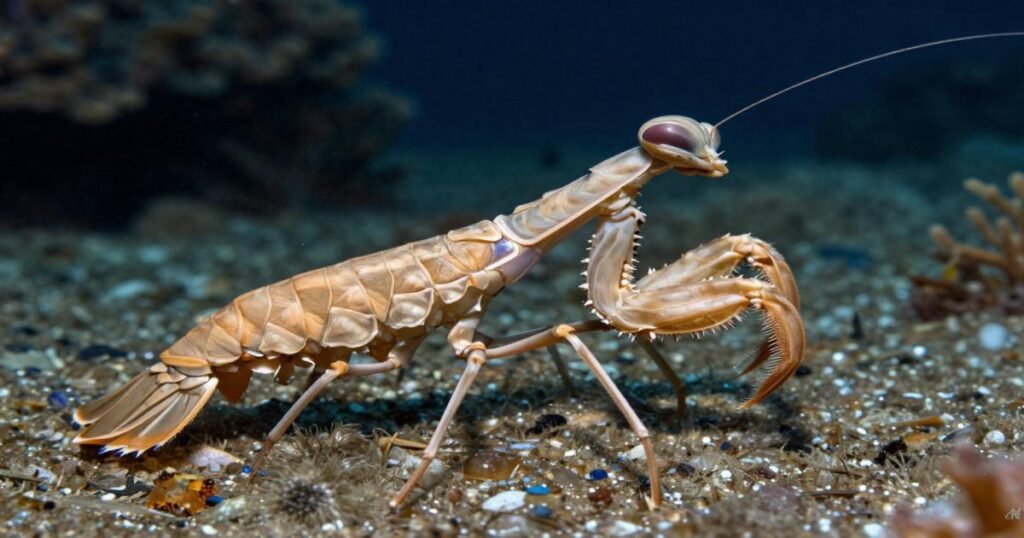
Several biological traits support longevity:
- Armored exoskeleton
- Burrow protection
- Solitary lifestyle
- Advanced hunting skills
- Efficient metabolism
Unlike many small marine invertebrates, mantis shrimp are not constantly exposed to open water.
The Role of Vision in Survival
Mantis shrimp have one of the most advanced visual systems in the animal kingdom.
Their compound eyes detect:
- Polarized light
- Ultraviolet light
- Multiple color channels
This helps them:
- Detect predators
- Identify prey
- Navigate reef environments
Superior vision indirectly supports a longer mantis shrimp lifespan.
Economic and Research Importance
Mantis shrimp are studied in:
- Biomechanics research
- Military material science
- Optical science
Their long lifespan allows extended observation and behavioral research.
Conclusion
The mantis shrimp lifespan is far longer than most people expect. While smaller species may live only a few years, larger species like the peacock mantis shrimp can live up to 20 years or more under ideal conditions.
Their longevity depends on:
- Species type
- Habitat stability
- Molting success
- Nutrition
- Environmental stress
For aquarium enthusiasts, mantis shrimp are fascinating but demanding pets that require serious commitment. In the wild, they are powerful, intelligent predators that play a key role in reef ecosystems.
If you found this guide helpful, consider sharing it with fellow marine life enthusiasts or leaving a comment with your experience caring for mantis shrimp.
FAQ: Mantis Shrimp Lifespan
Q1. What is the average mantis shrimp lifespan?
Most species live 3–6 years, while larger species can live 10–20 years.
Q2. How long does a peacock mantis shrimp live?
The peacock mantis shrimp can live 15–20 years in the wild and up to 15 years in captivity with proper care.
Q3. Do mantis shrimp live longer than regular shrimp?
Yes. Regular shrimp often live 1–3 years, while mantis shrimp can live significantly longer.
Q4. What shortens mantis shrimp lifespan?
Poor water quality, failed molts, stress, lack of food, and environmental damage.
Q5. Can mantis shrimp survive in home aquariums?
Yes, but they require species-only tanks and advanced marine care knowledge.
Q6. Are mantis shrimp dangerous?
They can deliver powerful strikes, but they are not dangerous if handled responsibly and not provoked.
Q7. Do mantis shrimp age slowly?
They age like other crustaceans but can live longer due to strong defenses and burrow protection.