
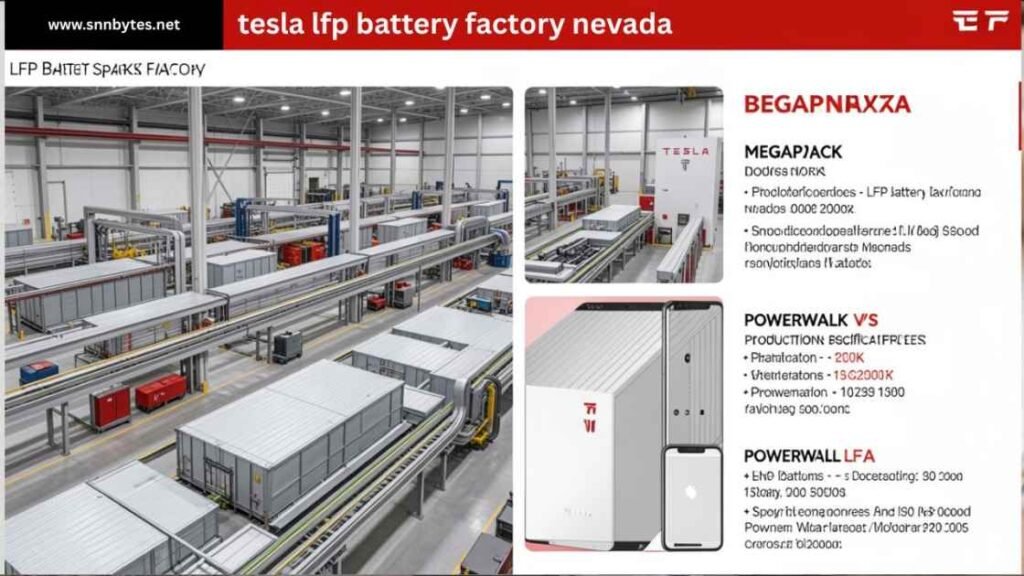
Have you ever wondered how companies like Tesla are making home batteries and giant energy storage systems more reliable and affordable? The Tesla lfp battery factory Nevada stands out as a smart step forward. This dedicated plant focuses on manufacturing lithium-iron phosphate cells right here in the United States. It helps reduce overseas shipping and supports stronger, safer power solutions for everyday homes and large utility projects.
In this guide, you will find clear details on what the factory does, why it makes sense, its exact spot, and the real-world benefits. Whether you care about home energy backup or large-scale green power, this facility shows how local production can change the game. Let us walk through everything step by step so you can see why it matters.
What Is the Tesla LFP Battery Factory in Nevada?
The Tesla LFP battery factory in Nevada is a specialised production site built to manufacture lithium iron phosphate (LFP) battery cells on American soil. Unlike older Tesla plants that focus mainly on vehicle batteries, this one targets energy storage products. It sits within the larger Gigafactory Nevada complex and marks the company’s first full-scale LFP cell manufacturing effort in North America.
LFP batteries use iron and phosphate in their chemistry instead of nickel or cobalt. This choice brings several everyday advantages. The cells are prismatic, meaning they are flat and rectangular. That design packs well into big storage units.
The factory converts a former distribution building into a modern manufacturing space. Workers there handle every step from mixing materials to coating electrodes and assembling finished cells. The goal is simple: create dependable batteries that store electricity from solar panels or the grid and release it when needed.
You might picture a huge industrial site with robots and clean rooms. That is exactly the setup. The plant supports Tesla’s push to control more of its own supply chain, rather than relying fully on imports. By making cells locally, Tesla can respond faster to demand for its energy products.
This facility represents a shift in how batteries are built for stationary use. It focuses only on LFP chemistry for now, keeping things efficient and targeted. The cells’ power systems help families keep lights on during outages or allow cities to balance renewable energy across entire regions.
In short, the Tesla LFP battery factory in Nevada turns raw materials into ready-to-use cells that make clean power practical and accessible. It is not just another building. It is a key piece in building a stronger energy future.
Why Does the Tesla LFP Battery Factory Work?
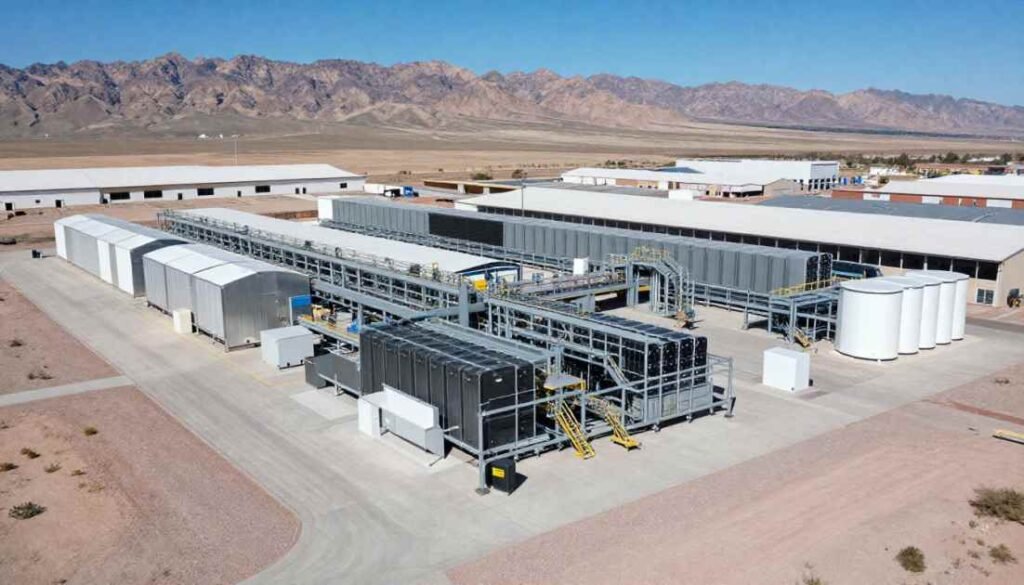
The Tesla LFP battery factory in Nevada works so well because it solves real problems in cost, safety, and supply. Let us break down the reasons step by step so you can see the logic.
First, LFP chemistry stands out for thermal stability. These cells resist overheating better than many other types. That means fewer worries about fires or performance drops in hot or cold weather. For home use or giant grid projects, safety comes first, and LFP delivers.
Second, the factory lowers overall expenses. Shipping heavy batteries from distant countries adds high costs and delays. Local production cuts those fees and avoids extra tariffs. The savings pass along to buyers through more affordable Powerwall units or large-scale Megapack installations.
Third, the setup complies with key domestic rules. Cells manufactured in Nevada qualify as American content, opening the door to federal incentives. This helps Tesla offer competitive pricing while supporting national energy goals.
The plant also uses proven methods that speed up output without sacrificing quality. It relies on wet-coating processes that have been refined over the years in the industry. This approach works reliably at scale and fits perfectly with the prismatic cell design Tesla chose for energy storage.
Another big reason it succeeds is the focus on stationary use. LFP cells have slightly lower energy density than some vehicle batteries, but that does not matter for fixed installations. What matters is long cycle life and low cost per kilowatt-hour. These batteries can be charged and discharged thousands of times, making them ideal for daily grid support or home backup.
The location near the main Gigafactory also adds efficiency. Parts and people can move easily between sites. This close connection speeds up testing and improvements.
Finally, Tesla’s full ownership gives it complete control. The company bought equipment from a leading supplier and handled setup with expert help, but the operation stays in-house. That independence lets Tesla tweak designs quickly based on real customer feedback.
All these pieces work together like a well-tuned machine. The result is a factory that produces safe, affordable cells while supporting local jobs and cleaner energy. It proves that smart choices in chemistry, location, and process can create lasting success.
Tesla LFP Battery Factory Nevada Location Details
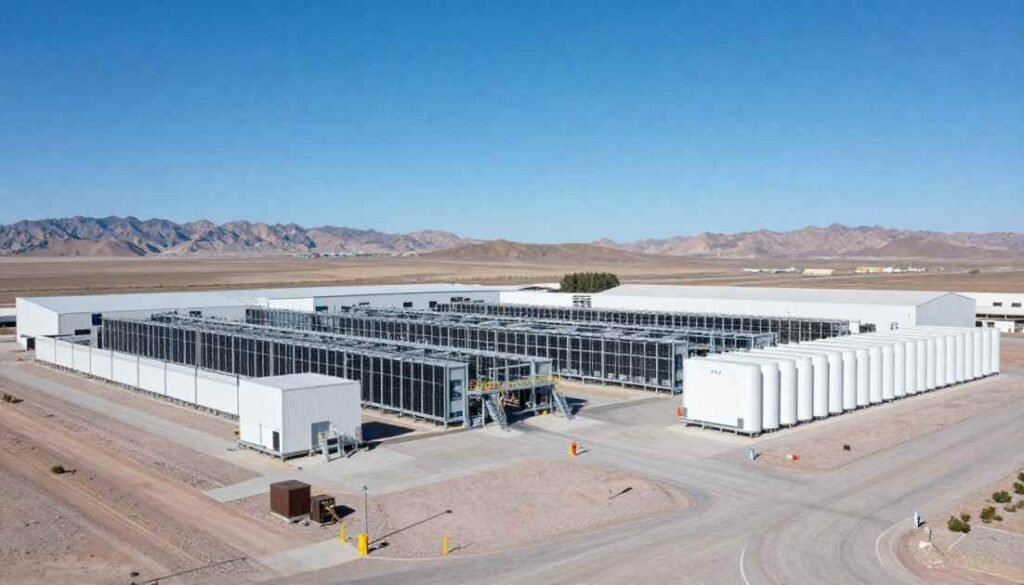
Finding the Tesla LFP battery factory in Nevada location is straightforward once you know the area. It sits in Sparks, right next to the main Gigafactory Nevada complex. The exact address is 385 Milan Avenue, a spot that once served as a distribution centre.
This placement offers clear advantages. Being adjacent to the larger facility means shared resources, trained workers, and quick logistics. Sparks lies east of Reno in the Tahoe Reno Industrial Centre, an area known for advanced manufacturing. The site enjoys good access to highways and utilities, which helps keep operations running smoothly.
You can picture it as part of a growing industrial hub less than an hour from beautiful Lake Tahoe. The area already supports thousands of jobs, and this new factory adds more. The building itself is a repurposed structure, demonstrating how existing spaces can be adapted for cutting-edge battery work.
The proximity to the main Gigafactory also simplifies testing. Cells can move directly to assembly lines for Megapack or Powerwall units without long-distance travel. This setup reduces handling risks and keeps everything efficient.
For anyone interested in the Tesla LFP battery factory Nevada location, the Sparks site stands out as practical and strategic. It uses land already zoned for industry and builds on existing infrastructure. The result is a facility that integrates seamlessly into Tesla’s broader Nevada operations.
Key Technology and Manufacturing Process
The technology at Tesla’s LFP battery factory in Nevada uses wet-coating methods for prismatic cells. This process starts with mixing active materials into a slurry. Workers then coat it evenly onto metal foils that become the electrodes.
After coating, the materials dry and get pressed to the right thickness. Next, come the assembly steps, where the electrodes are stacked or wound into cells, followed by electrolyte filling and sealing. The whole line uses equipment chosen for reliability and speed.
This differs from the dry-electrode approach Tesla explores for other cell types. Wet coating brings proven consistency, which matters when producing thousands of cells daily. The prismatic shape enables dense packing in battery packs, making it ideal for stationary storage.
Tesla purchased the core manufacturing line from an established supplier and added its own refinements. Training teams on the equipment ensured a smooth startup. The entire operation remains under Tesla’s control, enabling quick adjustments.
Safety features run throughout the plant. Clean rooms control dust, while automated systems monitor temperature and humidity. Every cell undergoes strict testing before it leaves the line.
This technology choice keeps costs reasonable while delivering high-quality output. It shows how combining reliable methods with local control creates strong results for energy storage.
Production Capacity and Primary Purpose
The Tesla LFP battery factory in Nevada starts with an annual capacity of about 10 gigawatt-hours. That number might sound technical, but it translates to real impact. Ten GWh can support thousands of home Powerwall systems or several large Megapack installations each year.
The main focus is on stationary energy storage. The cells go into Powerwall units for homes and businesses, providing backup power and helping manage solar energy. They also power Megapack systems used by utilities to stabilise grids and store renewable power.
By making cells locally, Tesla reduces wait times and shipping issues. The factory supports growing demand for clean energy solutions without depending on distant suppliers.
Expansion plans could increase output in the coming years as needs grow. For now, the initial capacity already makes a meaningful difference in bringing reliable storage to more customers.
Strategic Benefits and Broader Impact
Producing LFP cells in Nevada brings several clear wins. It reduces reliance on imported cells, helping protect against supply chain disruptions. Costs drop without long ocean voyages or tariff fees.
Safety improves because LFP chemistry handles temperature swings well and lasts through many cycles. Users get peace of mind knowing their storage systems are stable.
Domestic manufacturing also qualifies products for important incentives. This helps keep prices competitive and supports national goals for cleaner energy.
The factory creates local jobs in manufacturing, maintenance, and logistics. It strengthens the economy around Sparks and Reno while training workers in advanced battery skills.
On a larger scale, it helps integrate more solar and wind power into the grid. Megapack systems powered by these cells can store excess energy and release it during peak times, reducing the need for fossil-fuel plants.
Homeowners benefit too. More affordable Powerwall units mean easier access to backup power and lower electricity bills through smart energy management.
Overall, the strategic moves behind this factory support a cleaner, more independent energy system. They show how targeted production can drive progress for families, businesses, and entire communities.
Comparison of Battery Chemistries
To understand why LFP stands out, it helps to compare it with other common types. Here is a clear table of key differences:
| Chemistry | Energy Density | Safety Level | Cost per kWh | Cycle Life | Main Use Case |
| LFP (Lithium Iron Phosphate) | Moderate | Very High | Lower | Very Long | Stationary storage like Powerwall and Megapack |
| NMC (Nickel Manganese Cobalt) | High | Moderate | Higher | Long | Electric vehicles need compact power |
| NCA (Nickel Cobalt Aluminium) | High | Moderate | Higher | Long | High-performance vehicles |
| Lead-Acid | Low | Moderate | Lowest | Short | Basic backup systems |
As the table shows, LFP trades some density for much better safety and cost. That trade-off works perfectly for fixed energy storage, where space is less of a concern than reliability and price.
Pros and Cons of the Tesla LFP Battery Factory Approach
Every project has strengths and areas to watch. Here are the main pros and cons based on how the factory operates:
Pros:
- Safer chemistry reduces the risk of thermal issues
- Lower production costs through local manufacturing
- Long battery life means fewer replacements
- Supports domestic incentives and jobs
- Faster supply for growing energy storage demand
- An environmentally friendlier supply chain with less shipping
Cons:
- Slightly lower energy density than some chemistries
- Initial setup requires a significant investment
- Focus on stationary use limits in early vehicle applications
- Dependence on specific equipment suppliers during startup
The pros far outweigh the cons for energy storage goals. The factory plays to LFP’s strengths while minimising weaknesses through smart design.
How This Factory Supports Everyday Energy Needs
Think about a typical day. Solar panels on a roof generate extra power during the day. A Powerwall charged with Nevada-made LFP cells stores that energy. When the sun sets or the grid goes down, the battery steps in seamlessly.
On a larger scale, utility companies use Megapacks to handle fluctuations in wind or solar power. These systems keep lights on and factories running without sudden price spikes or blackouts.
The Nevada factory helps make both scenarios more common and affordable. Local cells mean quicker delivery and easier service. Customers get dependable performance backed by American production.
This approach also encourages more people to adopt renewables. When storage is reliable and affordable, more homes and businesses join the clean energy movement.
Economic and Environmental Advantages
The factory boosts the local economy by creating skilled positions. Workers learn advanced manufacturing techniques that can be applied to other industries.
Environmentally, local production cuts transportation emissions. Shorter supply lines mean less fuel burned moving heavy materials across oceans.
LFP itself uses abundant materials, such as iron, rather than scarce cobalt. That reduces mining impact and supports ethical sourcing.
Together, these factors help lower the carbon footprint of energy storage. The cells enable greater integration of renewable energy, displacing fossil fuels over time.
The result is a win for both the planet and local communities.
Tesla LFP Battery Factory Nevada News and Updates
Recent developments around the Tesla LFP battery factory Nevada news show steady progress. Tesla has shared views of the site advancing toward full operation. The focus remains on ramping up cell output for energy products.
Updates highlight the successful integration of equipment and training programs. Observers note the facility’s clean design and efficient layout. Early testing looks promising for meeting quality targets.
These steps keep the project on track to support growing demand. The news reinforces Tesla’s commitment to local manufacturing and energy independence.
Future Outlook for LFP Production
Looking ahead, the factory could expand capacity as energy needs rise. More Megapack and Powerwall installations will drive demand.
Tesla may explore additional uses for LFP cells while keeping the main focus on storage. The experience gained here will inform future projects.
The success of this Nevada site could inspire similar efforts elsewhere. It sets a model for bringing advanced battery work to American soil.
Final Thoughts
The Tesla LFP battery factory in Nevada brings together smart chemistry, strategic location, and local control to create better energy storage. From its Sparks site at 385 Milan Avenue to the 10 GWh capacity focused on Megapack and Powerwall, every detail supports affordability, safety, and reliability.
By reducing import dependence and meeting domestic standards, the factory helps lower costs and build energy independence. LFP cells offer long life and strong safety, making clean power practical for homes and utilities alike.
This project shows how thoughtful manufacturing can drive real progress. It creates jobs, cuts emissions, and supports the shift to renewables.
What do you think about local battery production and its role in clean energy? Share your thoughts in the comments below. If you have questions about Powerwall, Megapack, or LFP technology, feel free to ask. Staying informed helps all of us move toward a brighter, more sustainable future.
FAQ
What is the Tesla LFP battery factory in Nevada?
It is a dedicated plant in Sparks that produces lithium-iron phosphate cells for energy storage products such as Powerwall and Megapack.
Where exactly is the Tesla LFP battery factory Nevada location?
The facility sits at 385 Milan Avenue in Sparks, right next to the main Gigafactory Nevada complex.
What is the production capacity of the factory?
It starts with about 10 gigawatt-hours per year, enough to support thousands of storage systems.
Why does Tesla use LFP chemistry for these cells?
LFP offers high safety, long life, and lower cost, making it ideal for stationary energy storage.
How does the factory reduce reliance on foreign suppliers?
Local cell production cuts shipping costs and tariffs while meeting domestic-content rules for incentives.
What technology does the plant use?
It relies on wet-coating processes for prismatic LFP cells with equipment selected for reliable output.
Will these cells ever power electric vehicles?
The current focus is energy storage, though future uses could expand based on performance data.
How does this factory help the environment?
Shorter supply chains lower emissions, and LFP cells enable greater integration of renewable energy on the grid.